
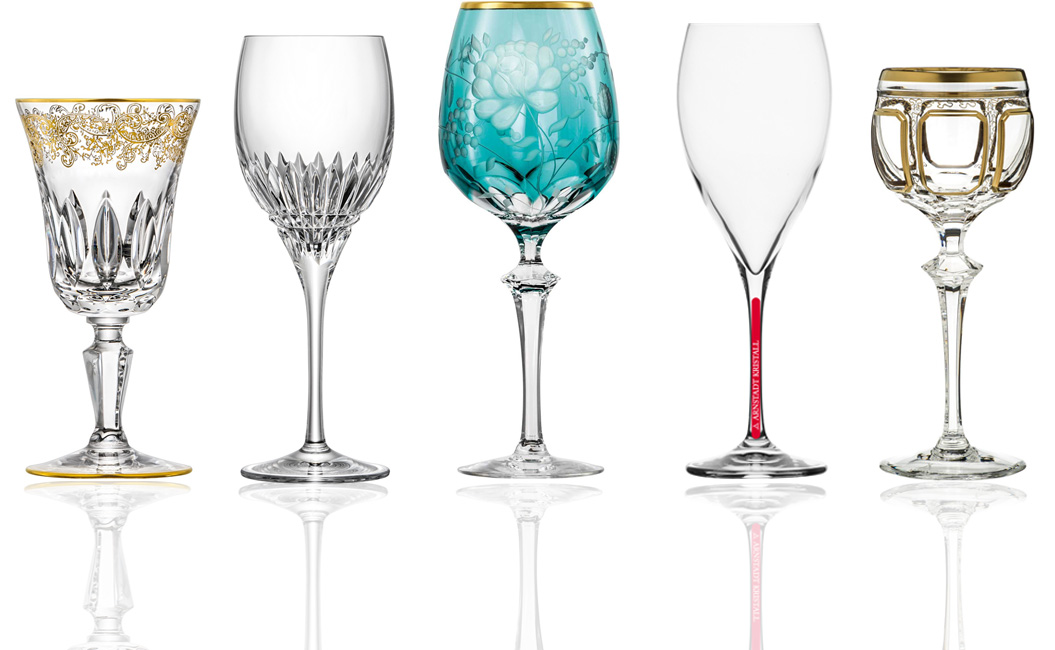
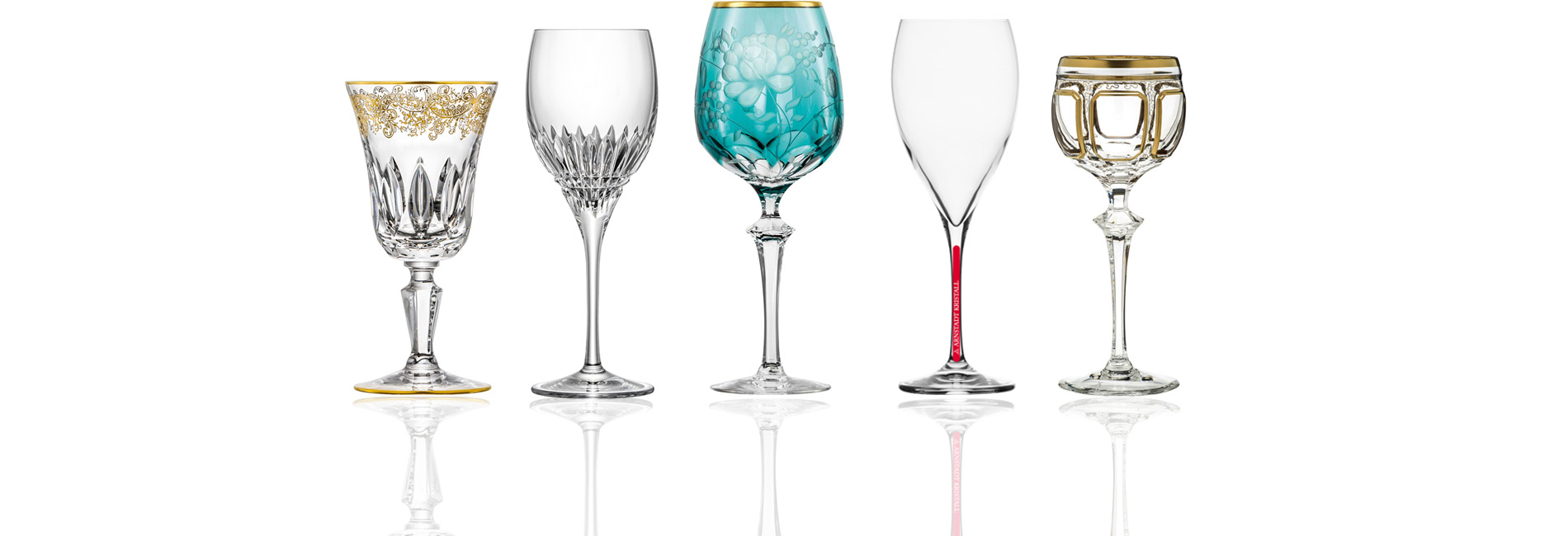
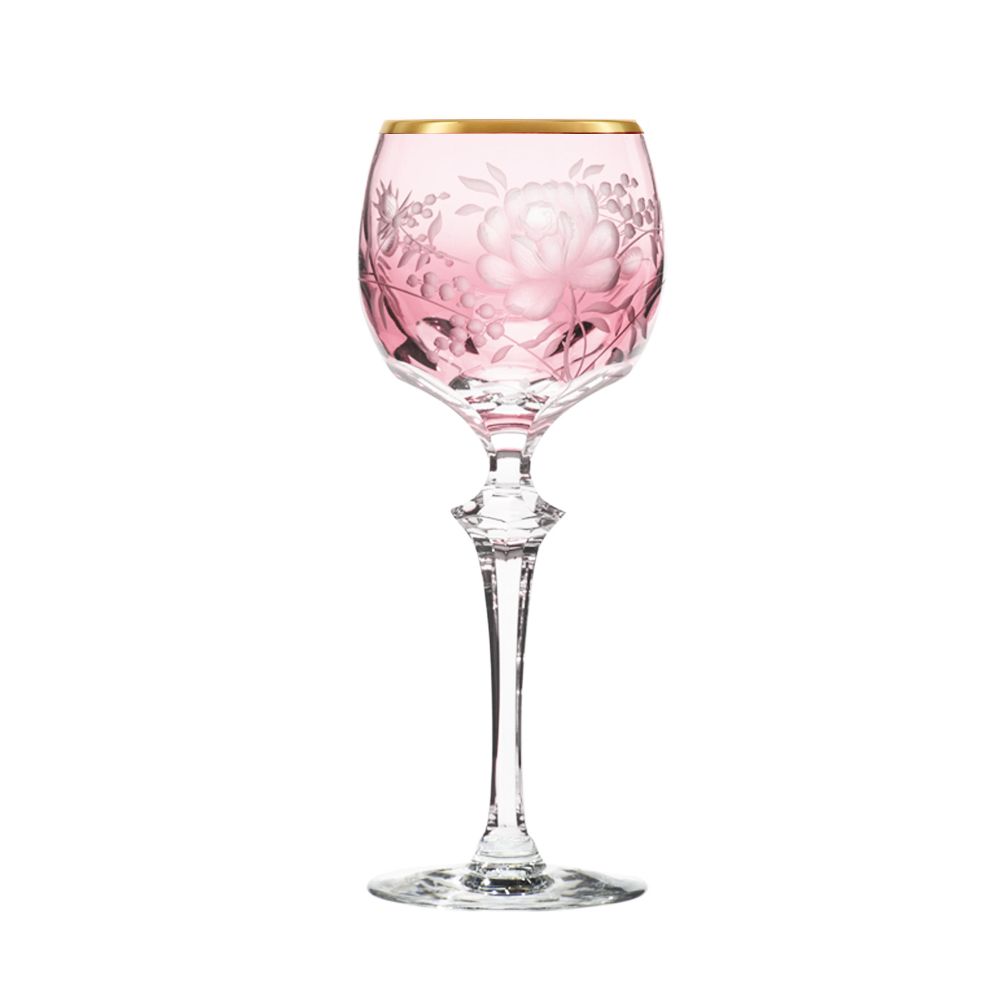
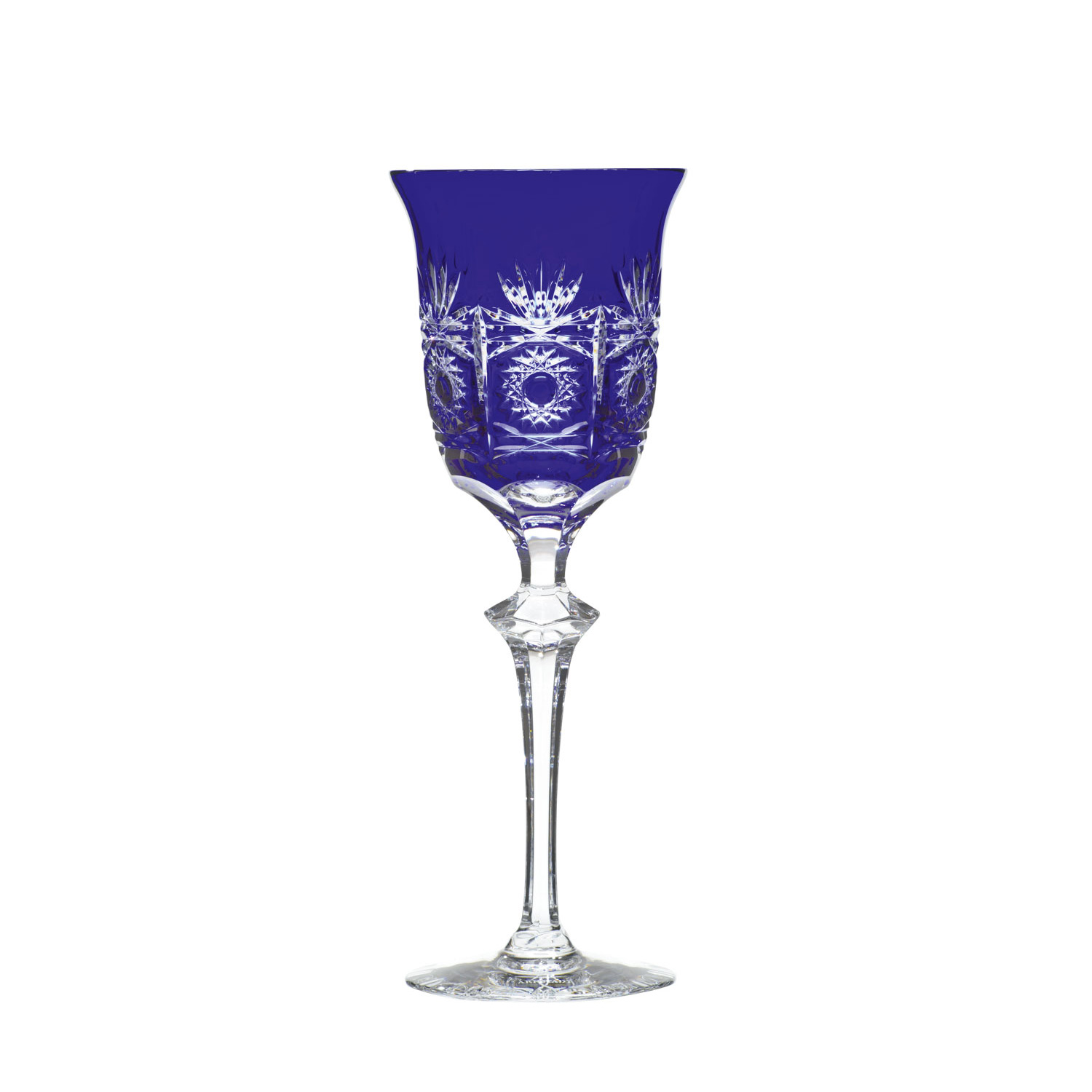
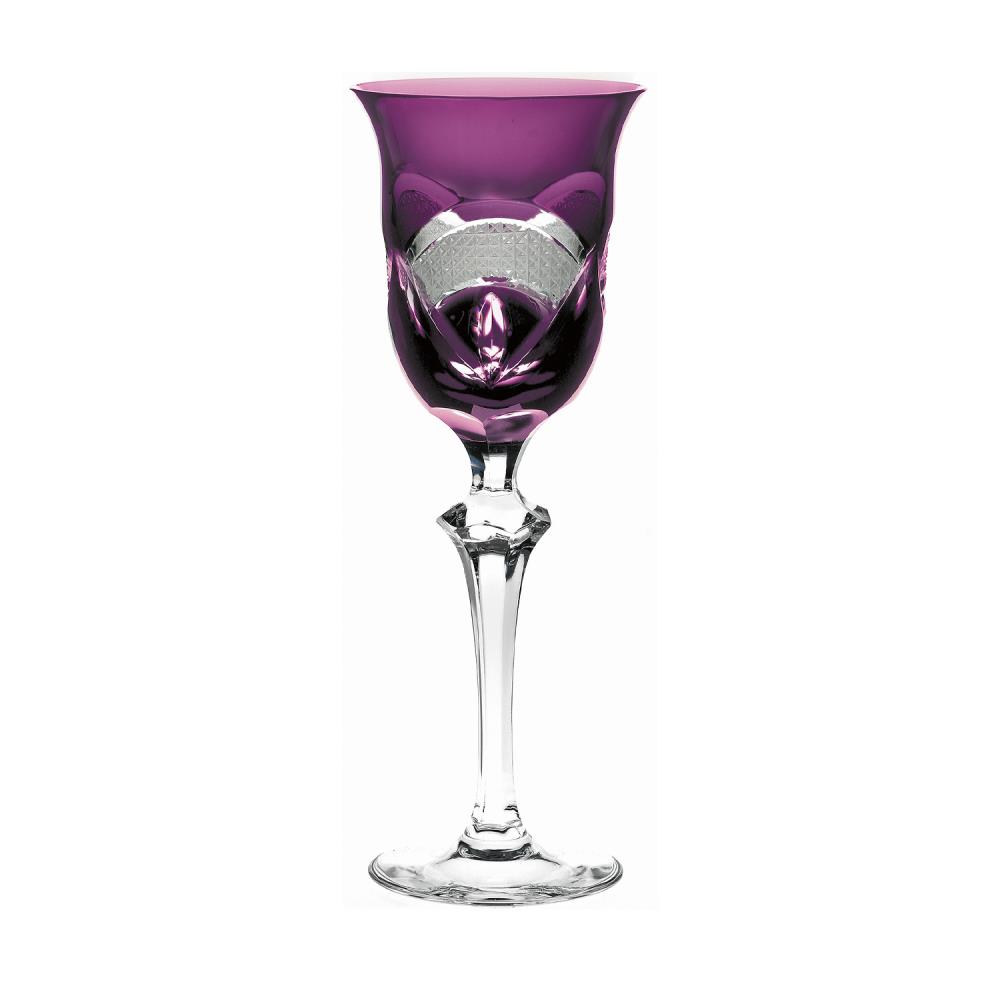
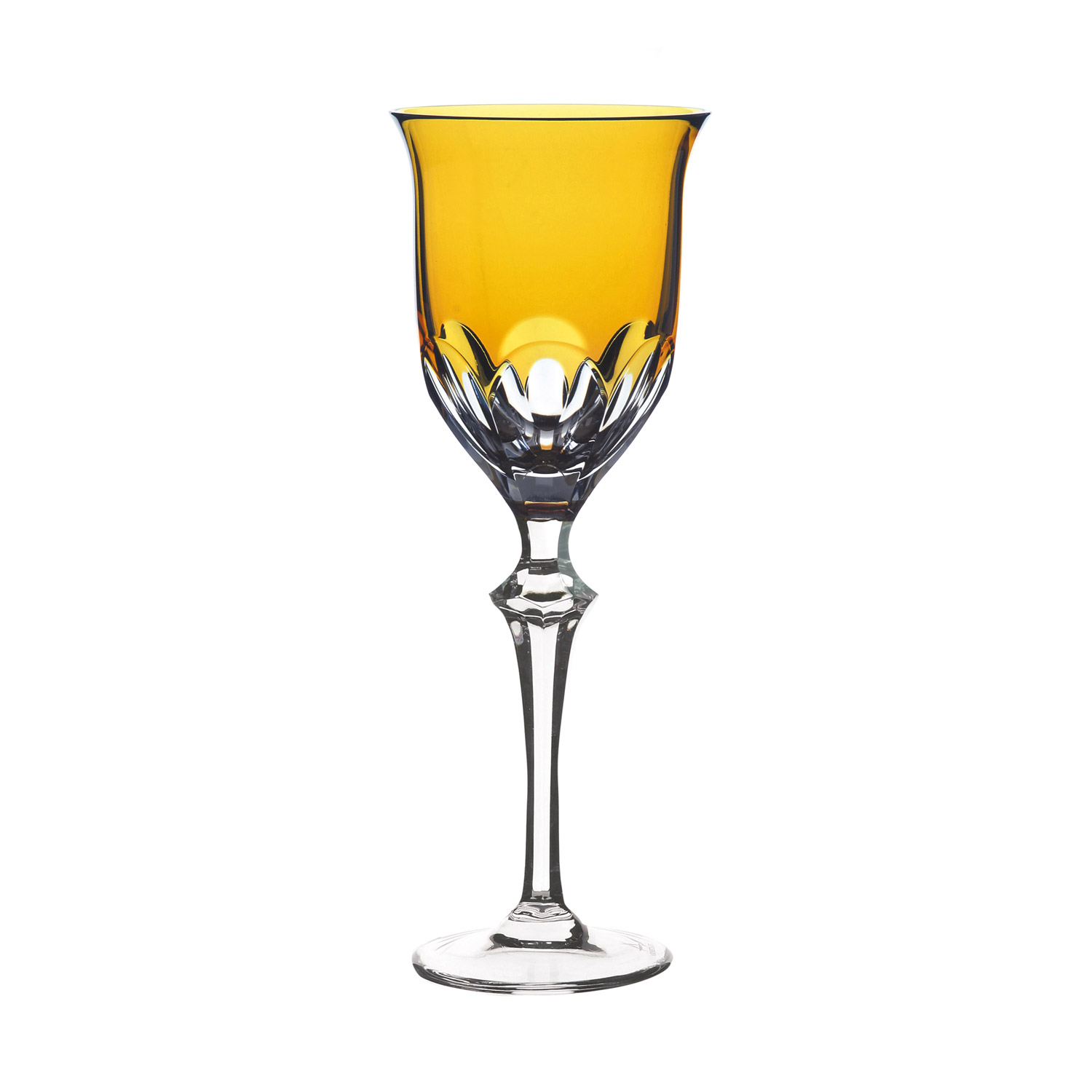
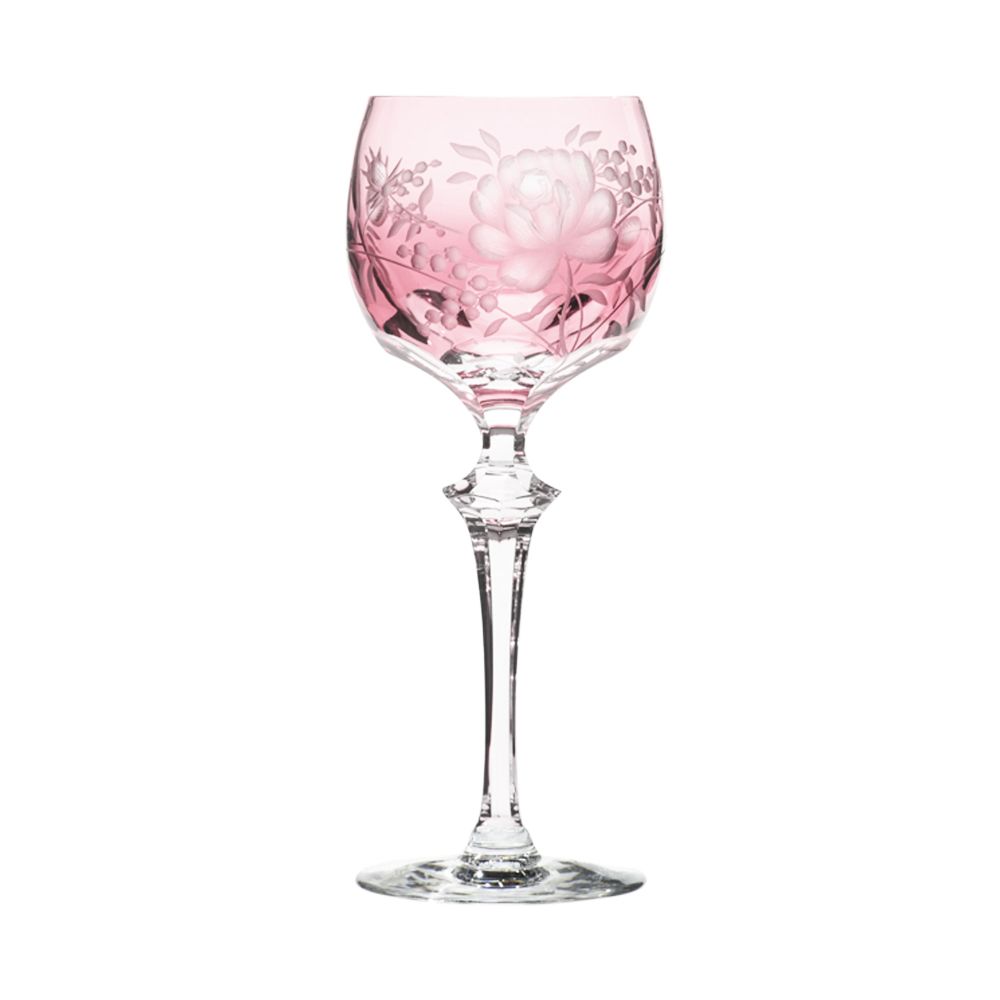
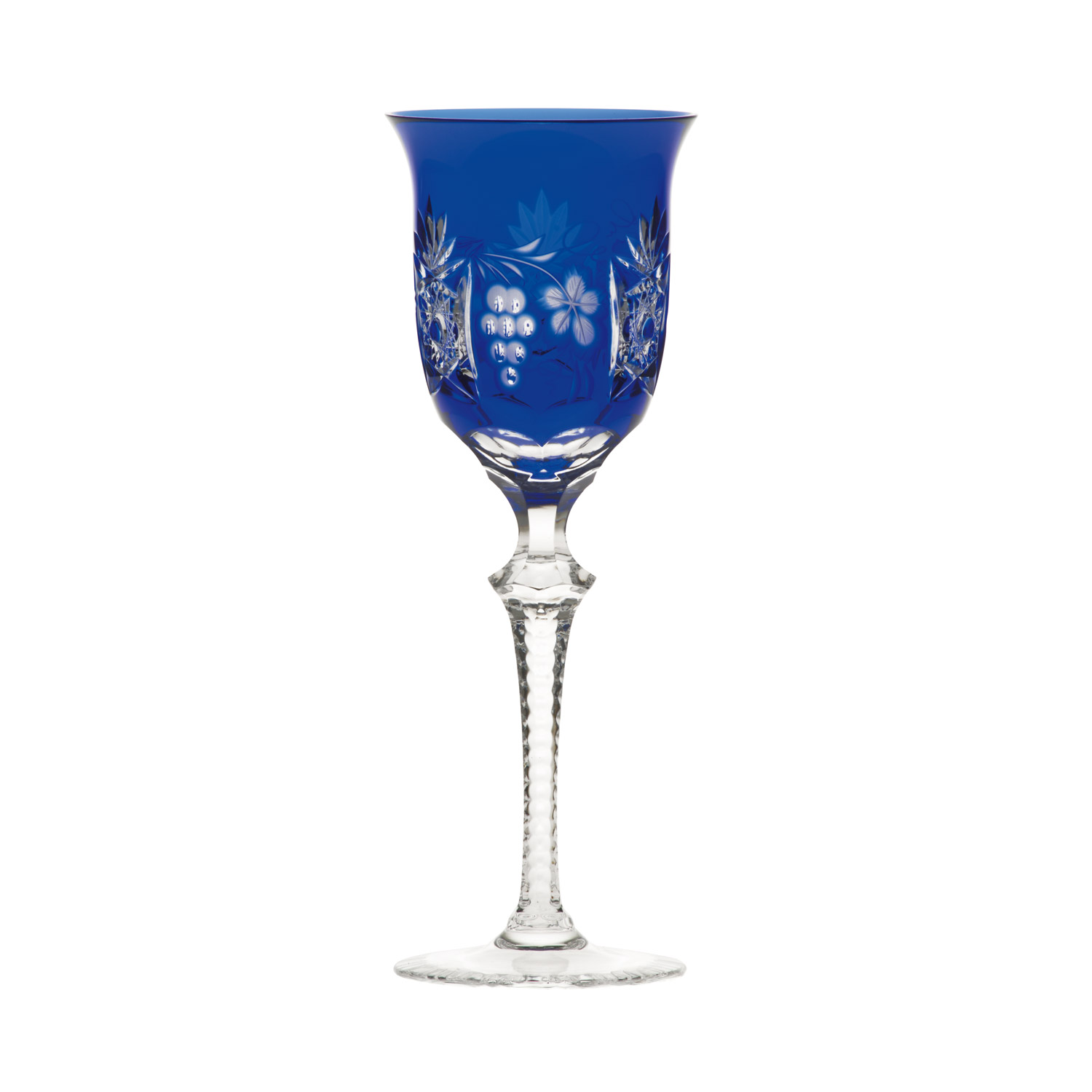
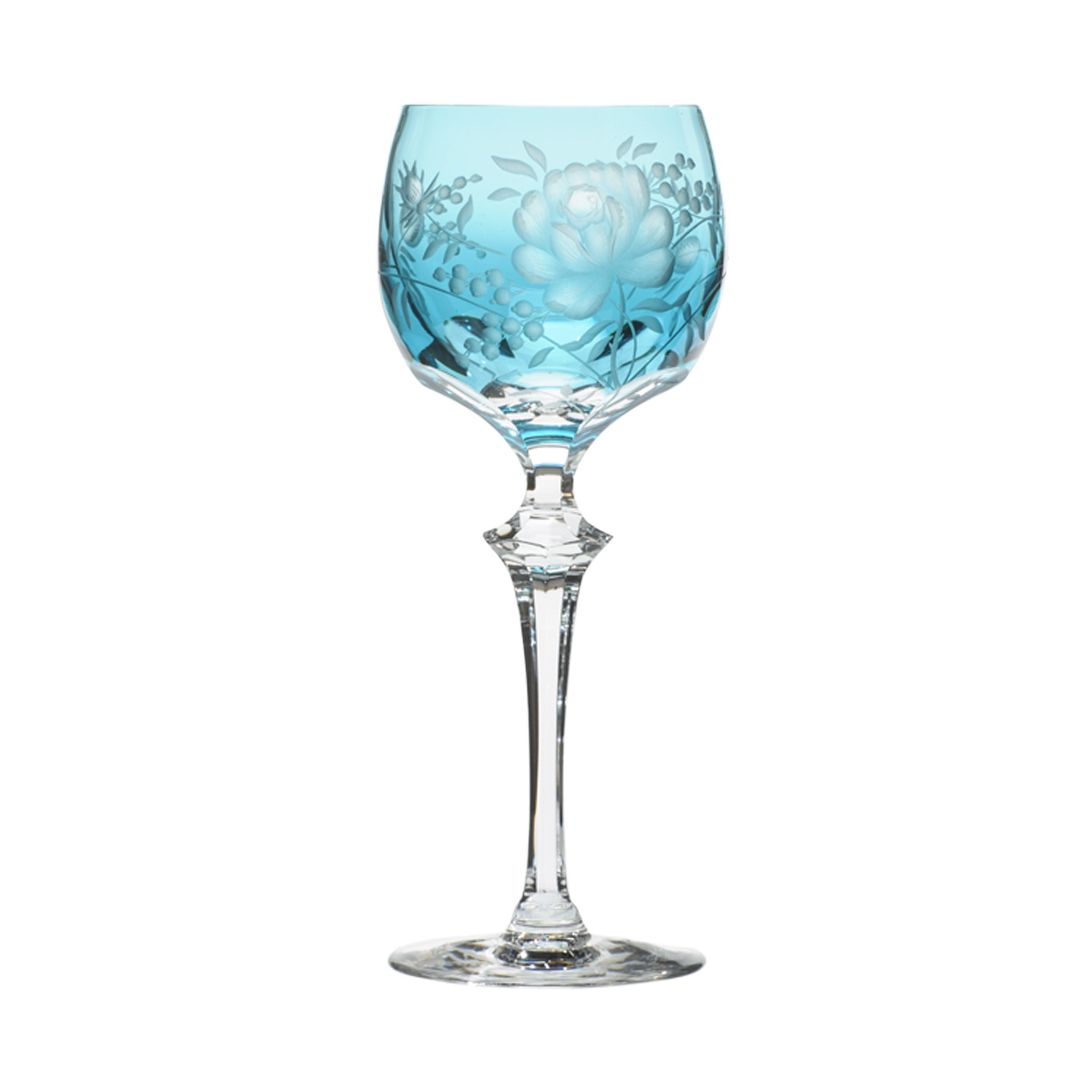

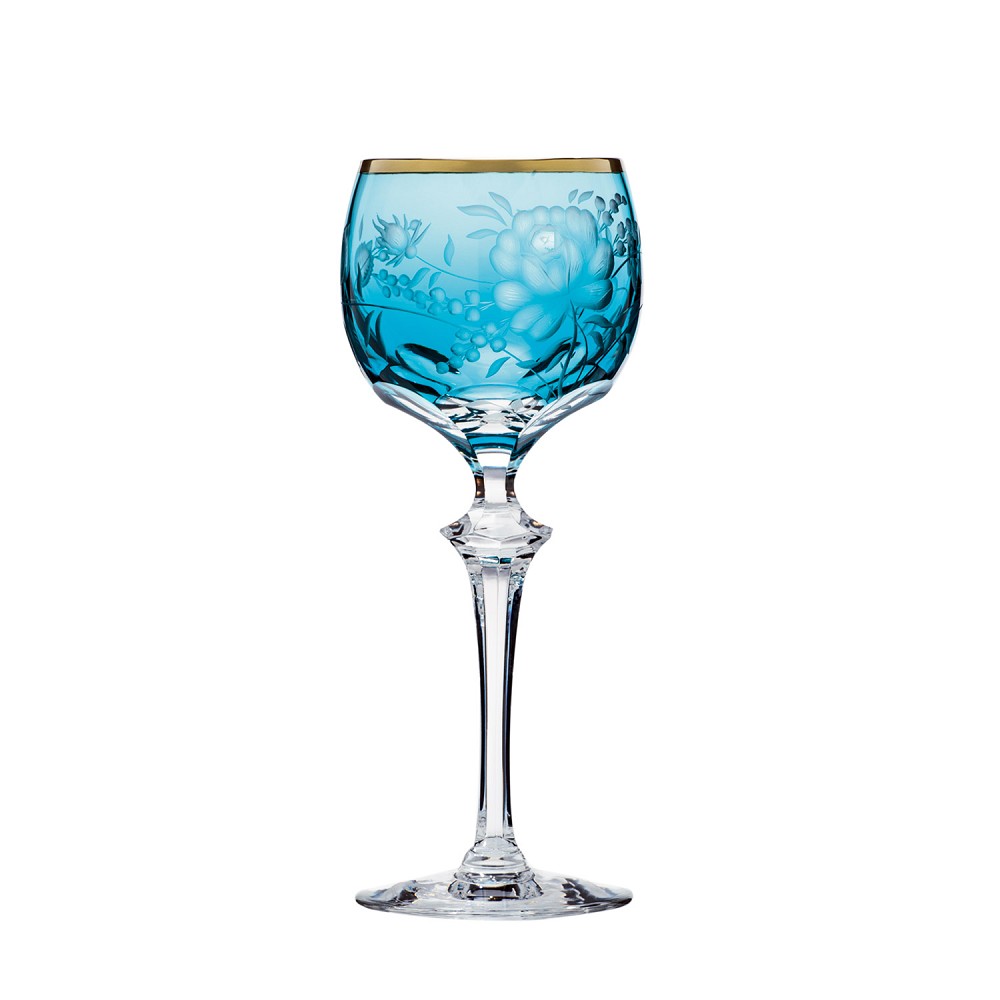
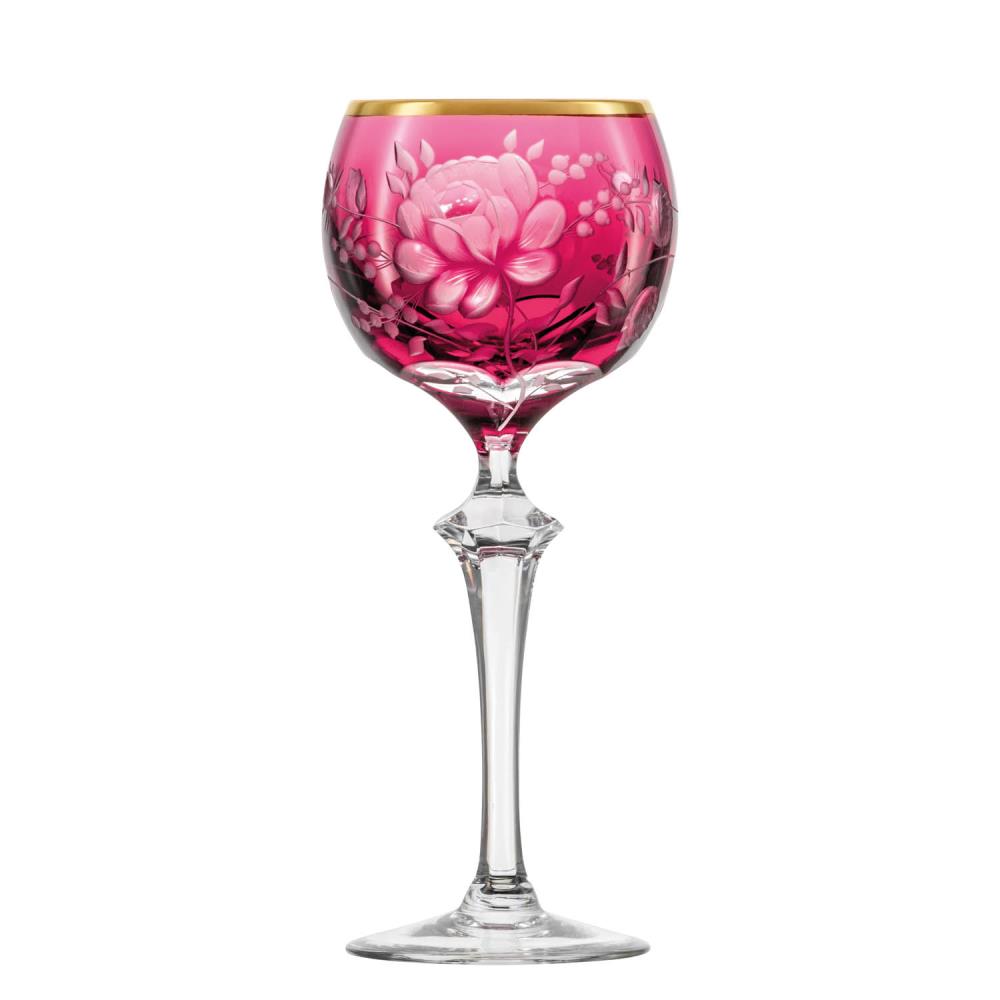
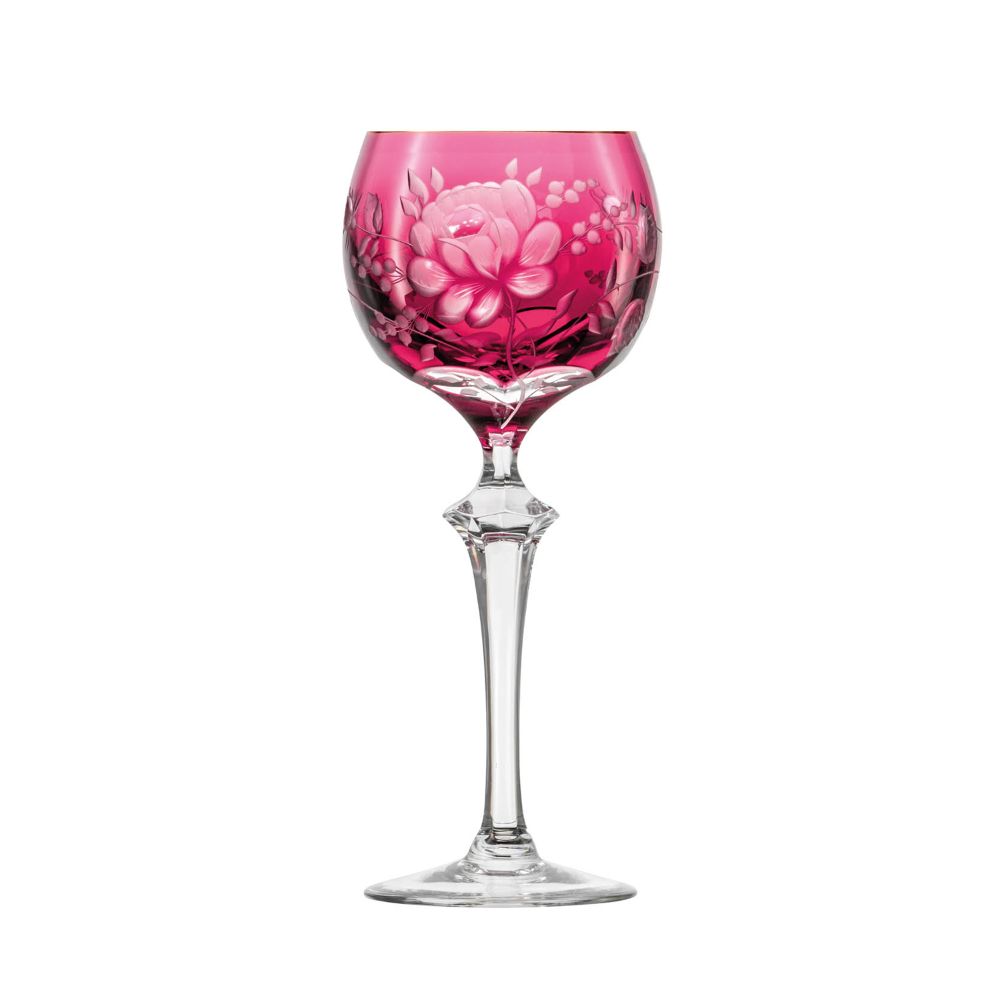
Roman glasses lead crystal | Roman crystal glasses | Colorful Roman glasses | Buy Roman wine glasses | Buy Roman glass
Roman glasses and Roman crystal – traditional and always stylish
Nowadays, Roman glasses or Roman lead crystal can be admired not only in many museums, but also in living spaces. These are often sought-after heirlooms that are passed down from generation to generation.
No wonder! After all, Roman crystal glasses not only impress with their special appearance, but also with their stability and a charm that seems to revive the flair of bygone years. While Roman glasses are only used for decorative purposes in some households, they are still actively used in other families. Of course, the Roman lead crystal comes into its own particularly well in the set. A festively decorated table with the appropriate equipment invites you to spend cozy hours with the family.
But what story is actually behind the Roman crystal glasses? What types are offered? And how can the different models best be integrated into the facility?
On the history of Roman glasses
Roman lead crystal can look back on a comparatively long history, although not back to Roman times. Because Roman glasses, as they are still known in their current form, were developed from forest glass and have existed since the 16th century. (To explain: forest glass is a type of glass that was particularly popular in the High Middle Ages and early modern times. The base of this vessel was comparatively thick.)
The Romans traditionally drank wine from crystal glasses. This is one of the reasons why glass volumes of 0.2 liters are particularly widespread today. Some of the glasses are a little larger.
Over time, various theories emerged as to why this particular type of glass is called “Roman glass”. The assumption that Roman lead crystal descends from the original “vitrum Romanrium”, i.e. “Roman glass”, seems particularly realistic. Here, pieces of ancient Roman glass formed the basis for the finished lead crystal.
The name was officially documented for the first time in 1501.
Further changes in the 17th century
The appearance of Roman glasses has changed significantly over time. What is particularly striking in this context is that attention to detail played an increasingly important role. This is particularly evident in the models of Roman crystal glasses from the 17th century.
Where previously a clear, sometimes even chunky look predominated, from this time onwards ribs in the area of the anklet, a shaft decorated with nubs and various cup pairs dominated.
At times it seemed as if the different designs were being experimented with. Anyone who wanted to purchase one of the popular Roman glasses in the 17th century had, among other things, the choice between apple-shaped and bulbous versions.
Popular drinking glasses in numerous regions
Especially in the Netherlands and Germany, it was often “good form” to have Roman glasses in your cupboard. However, it is generally no longer possible to trace where these were ultimately produced. Because: it was extremely rare that traces were left here in the form of a signature or something similar.
Roman lead crystal, as it is still represented and known today, was ultimately created in the 18th century. What is particularly characteristic here is that the typical cup shape managed to assert itself against its “competition”.
But: while the Kuppa was manufactured in an increasingly standardized manner, the manufacturers let their imagination run wild in other areas.
This was reflected, among other things, in the fact that the various models were now equipped with smooth or ribbed feet and shafts with and without nubs. In addition, people no longer just focused on one color. While the characteristic shade of green was previously represented here, customers now had the opportunity to choose between olive-colored models, brown or even cobalt blue lenses and adapt them even better to their personal taste.
Various design variants at a glance
Especially in the 19th century, people seemed to say goodbye to the idea that Roman lead crystal glass had to be standardized. It is therefore self-explanatory why more and more different versions of this drinking vessel were offered.
Depending on the model, the manufacturers of Roman glasses, for example, sometimes completely forego the use of the otherwise characteristic nubs. However, they were sometimes still used to decorate the cuppa of Roman crystal glasses. In general, however, they were used comparatively rarely.
Thanks to the new technical possibilities, manufacturers were now able to add even more loving details to their Roman glasses. Above all, the integration of coats of arms, different types of flowers and other patterns played an increasingly important role.
There was also increased emphasis on gold-plated foot edges.
The shaft in different versions
Roman glasses from this period are also known for their different shaft variants. Among other things, it was not only possible to provide both the foot and shaft with ribs, but also to connect them in a particularly artistic way, with an almost flowing transition.
The popular baluster shaft, whose appearance is reminiscent of a pomegranate tree, also looked particularly elegant and characteristic.
The Roman lead crystal as a result of different eras
Over the years, the popular Roman glasses have been continuously developed. Nevertheless, they seem to have lost none of their original charm. It therefore seems only logical that Roman lead crystal glass combines the special characteristics of the different eras.
However, what is always impressive is that the corresponding details complement each other in a stylish way without appearing disharmonious. There is not much left of the original version of Roman crystal glasses. Rather, the last variant is the end of a historical development that is rare in the design sector and on this scale.
Where were or are Roman glasses produced?
During the “boom time” of Roman crystal glasses, the focus was on producing the popular drinking vessels, especially in the larger production facilities.
Due to the fact that Roman crystal glasses can be easily combined with various furnishing styles, especially rural and rustic styles, many manufacturers today have also focused on producing corresponding replicas.
If your grandma's heirloom is too good to use on a festive table, you can also buy your modern Roman glass in stores.
But be careful! Some drinking vessels that are now sold under the term “Roman glasses” have almost nothing in common with the original models. So if you want to be sure that you are purchasing a genuine original, you should always contact a knowledgeable dealer and get appropriate advice.
And: If you don't want to use Roman lead crystal yourself, but “just” want to admire it, you can also find it in various museums. Glass museums in particular are almost always a good place to go to see for yourself the variety of models.