

Martini Glasses
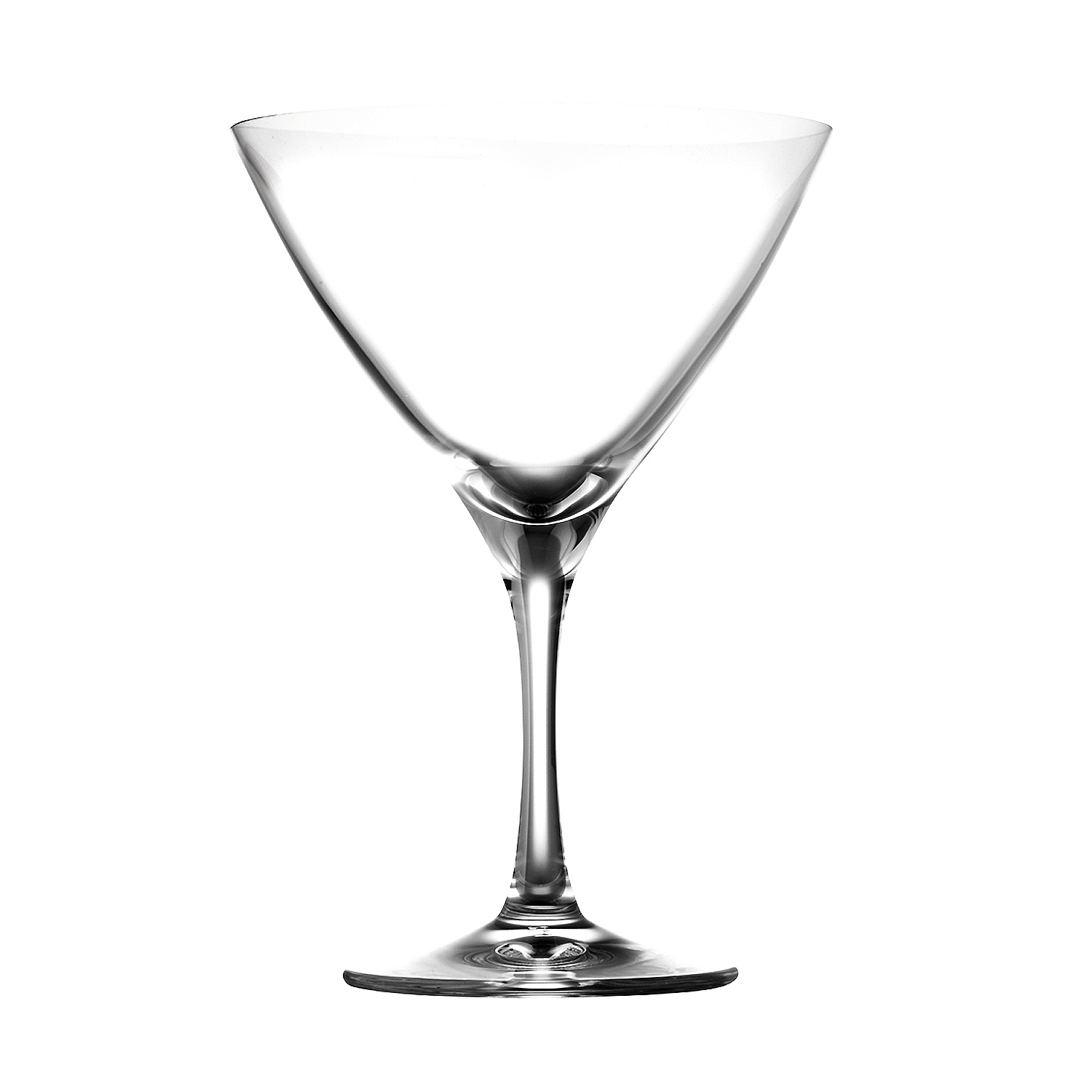
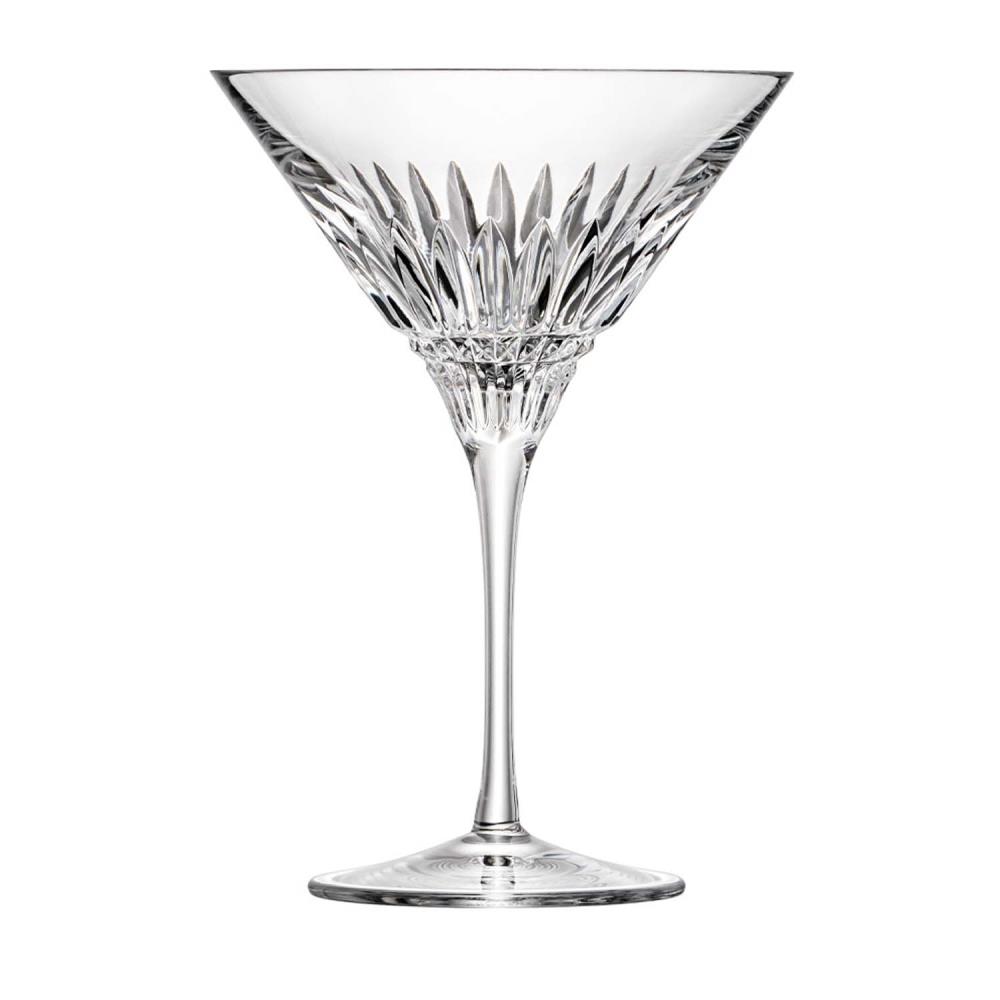
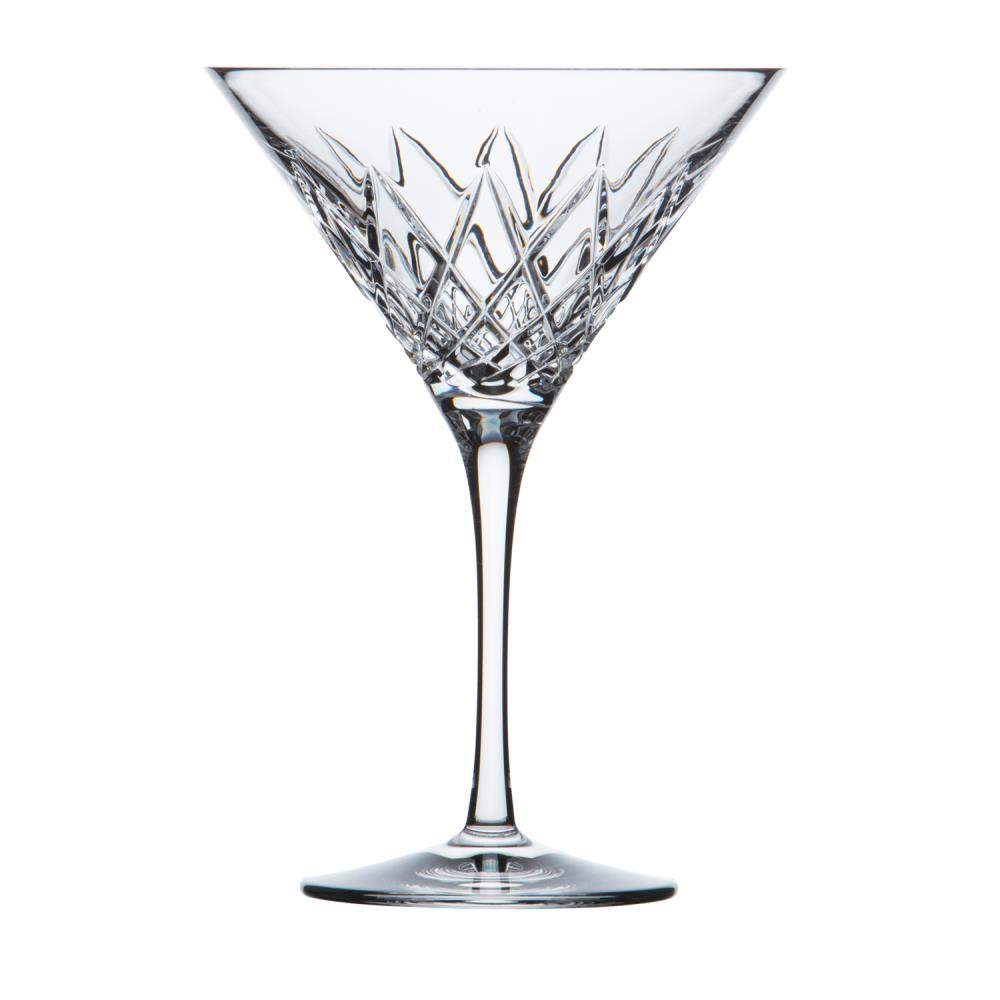
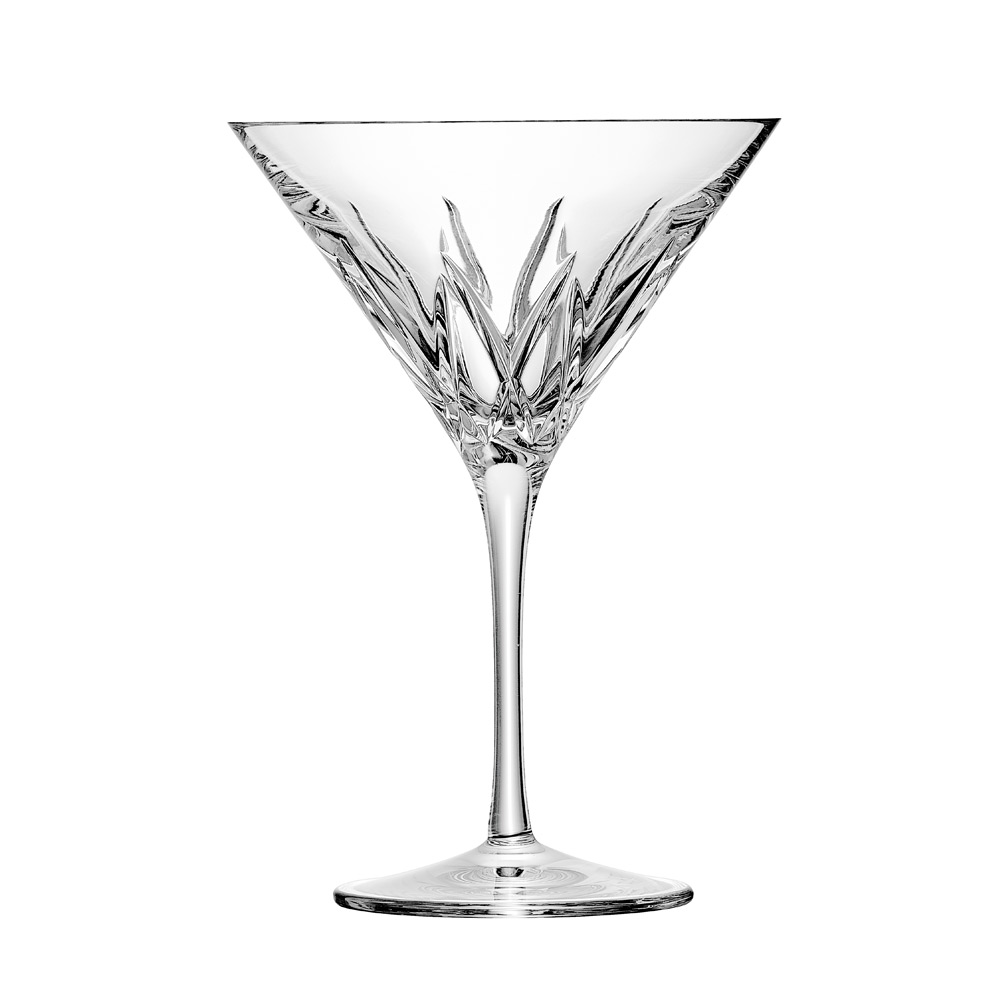
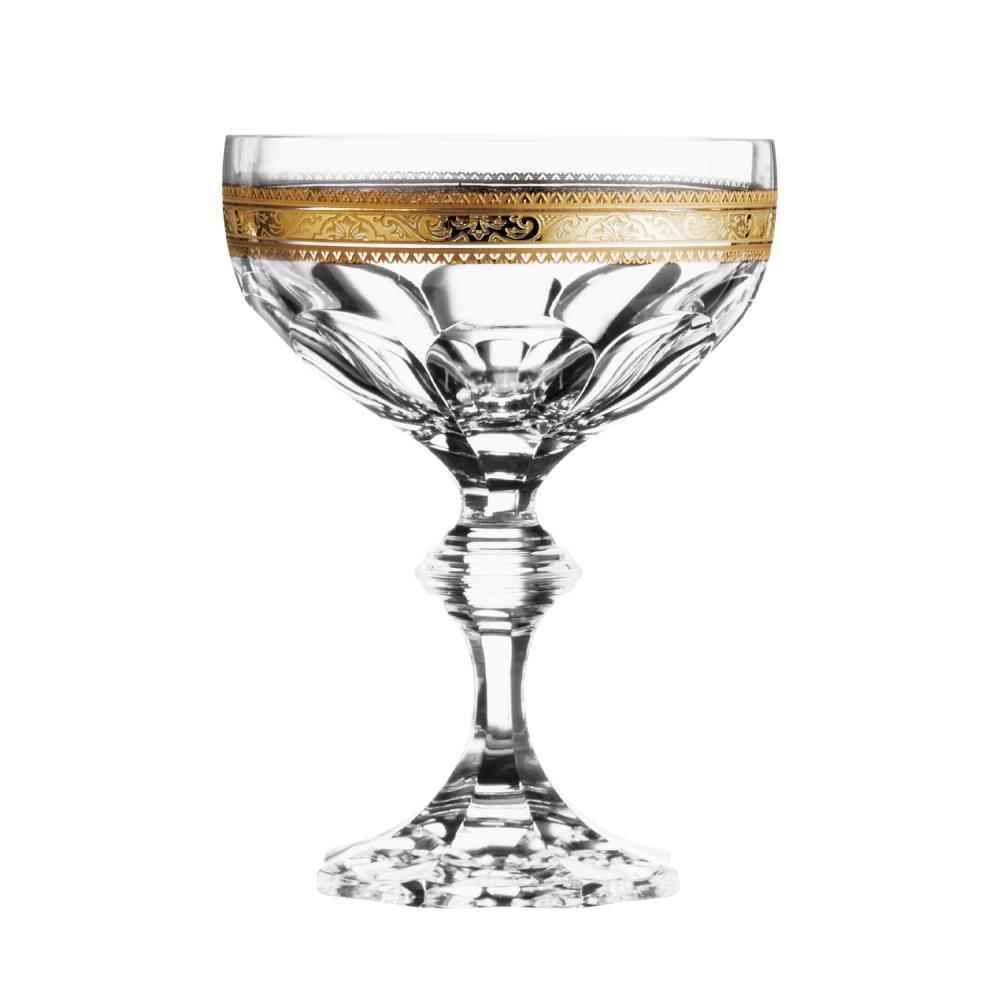
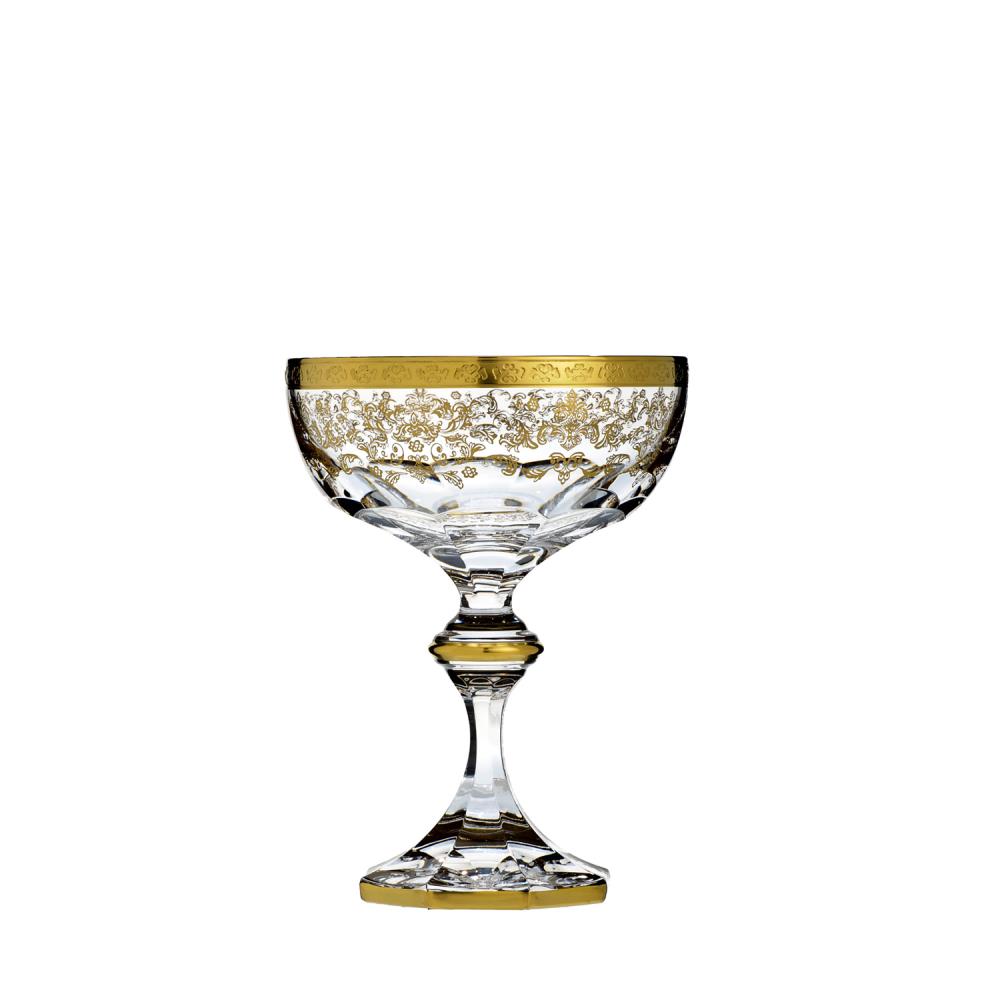
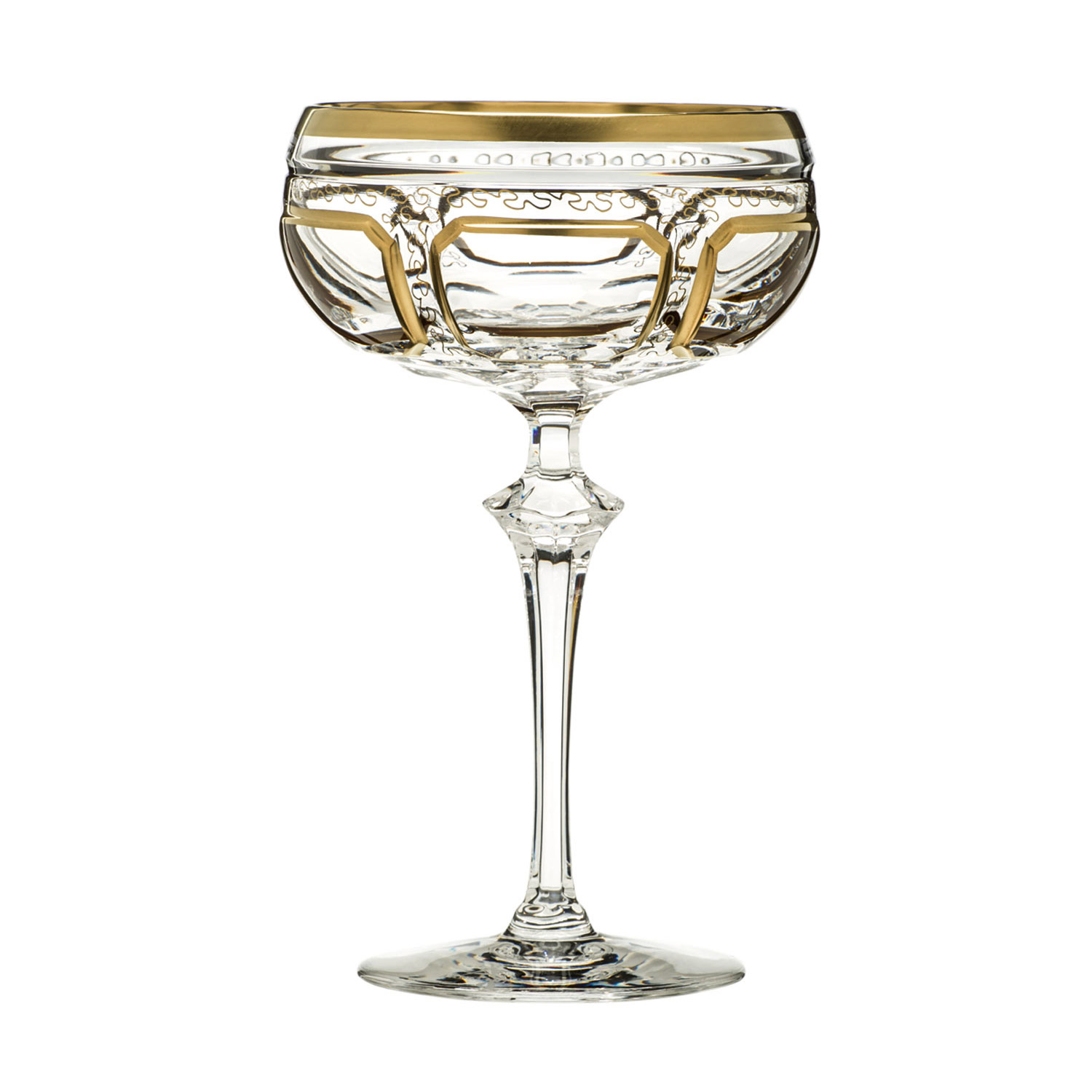
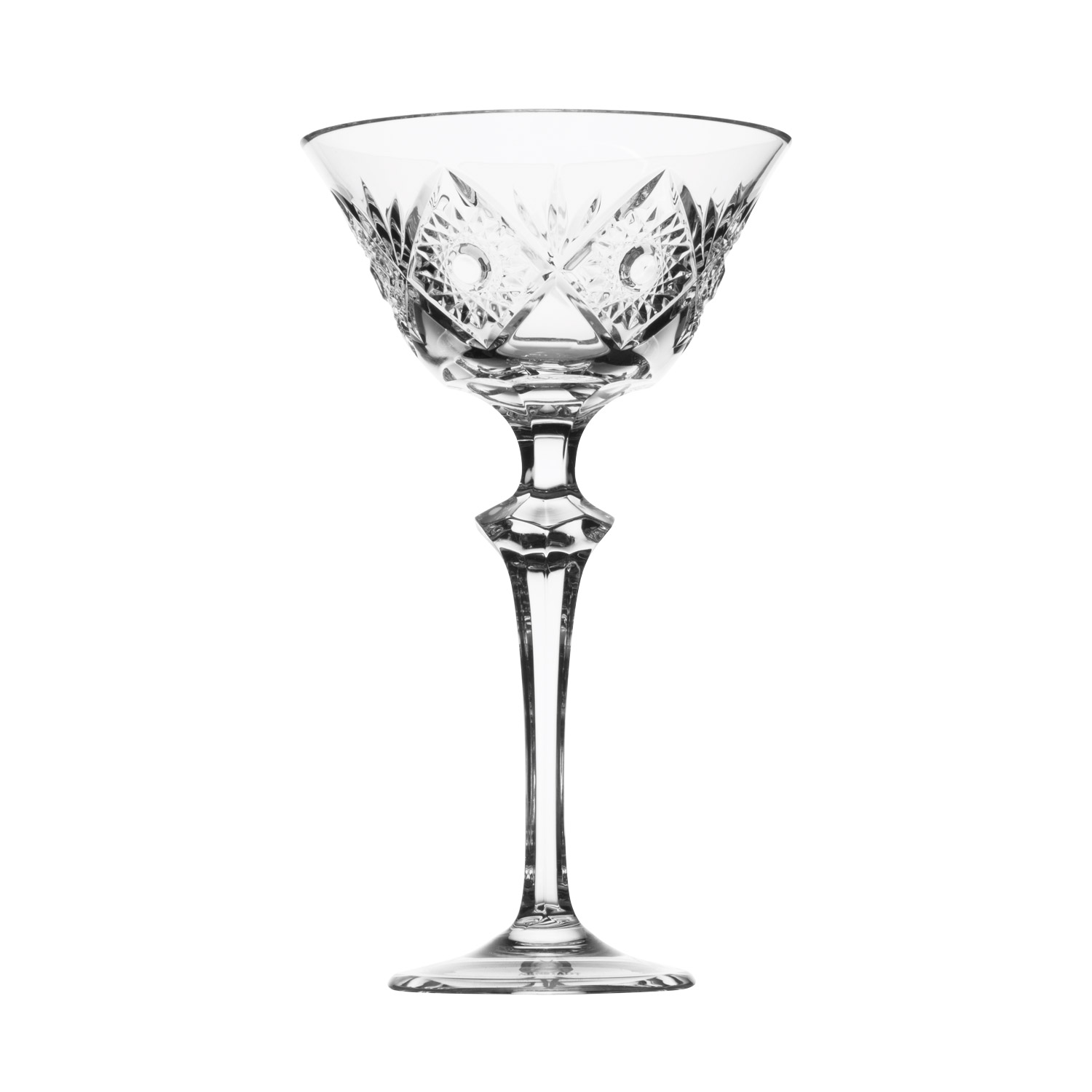
James B. is not the only one who drinks his Martini from an original Martini glass - shaken, not stirred. From now on, you too can enjoy your Martini from one of these. Whether with the finest engravings or deep cuts, at Arnstadt Kristall you will find the most exclusive selection of Martini glasses made of the highest quality crystal glass. All Martini glasses are mouth-blown and hand-cut. This creates unique, one-of-a-kind pieces.
NEW: Have your Martini glass personalized with an individual engraving.
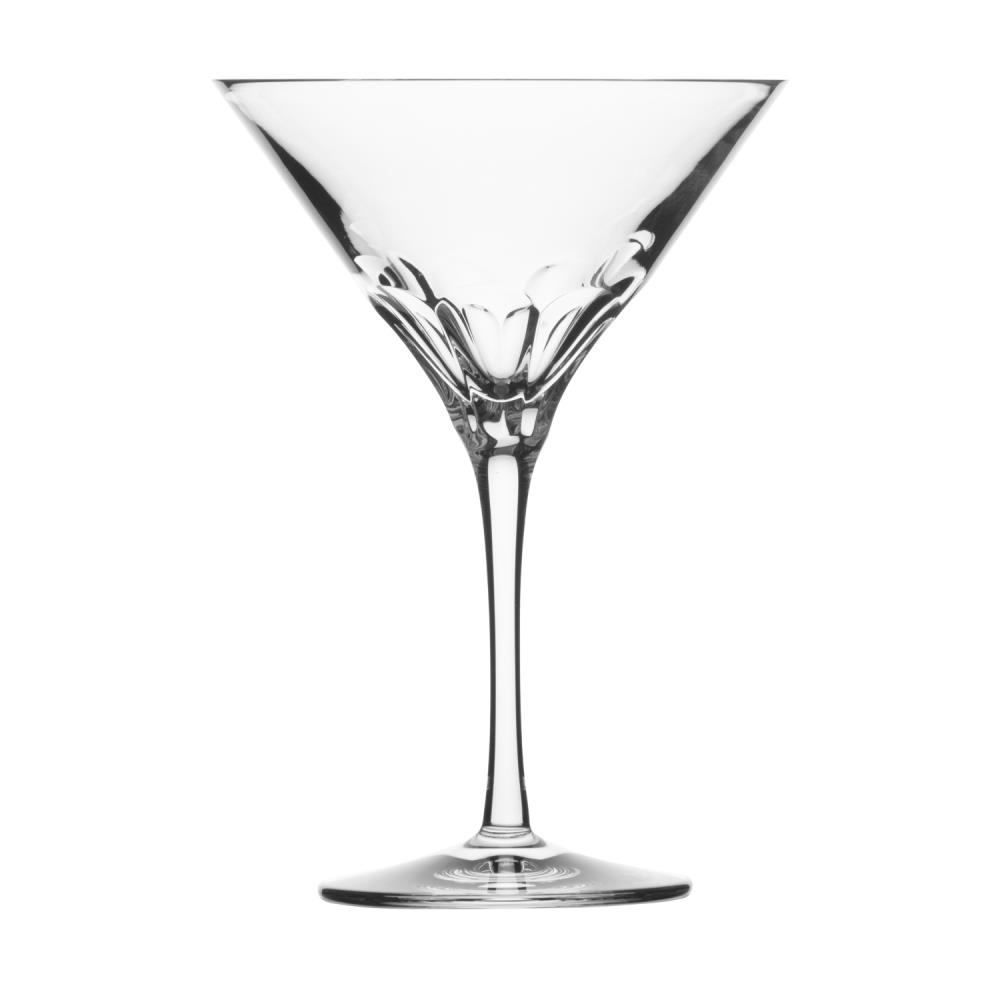
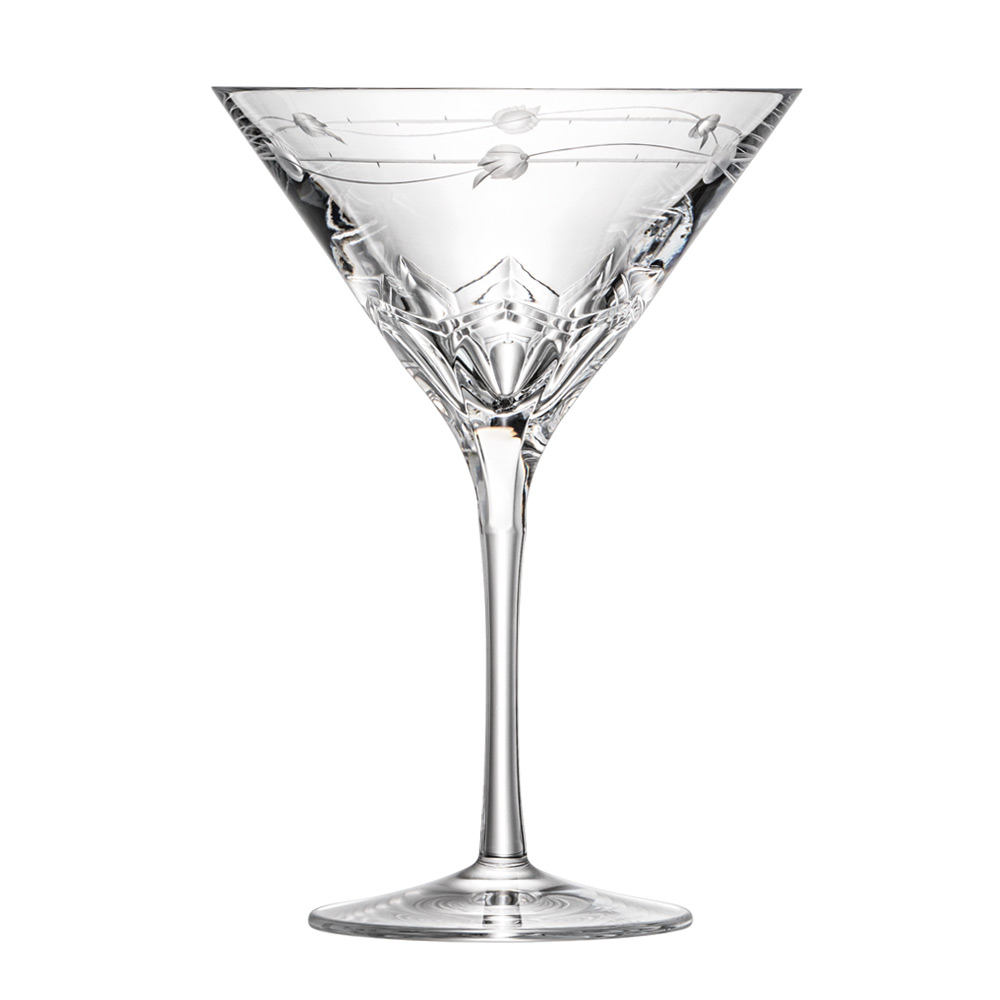
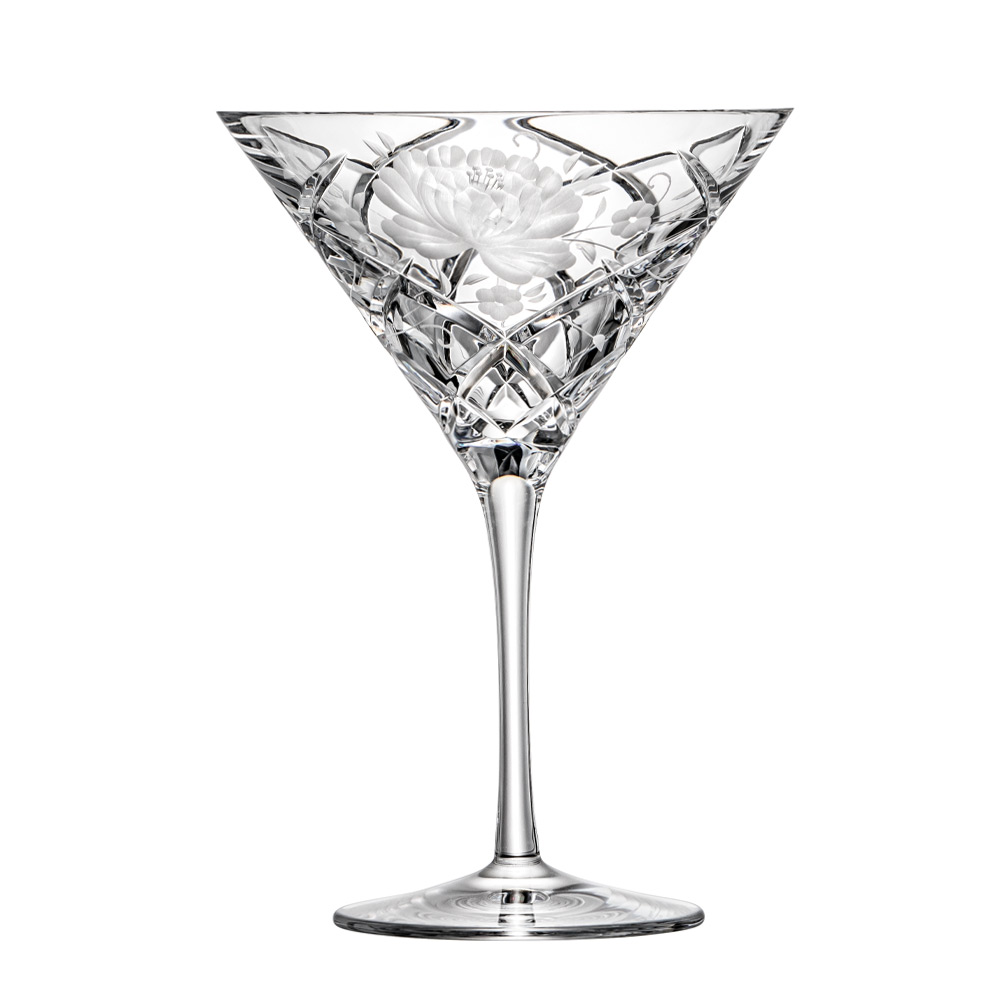
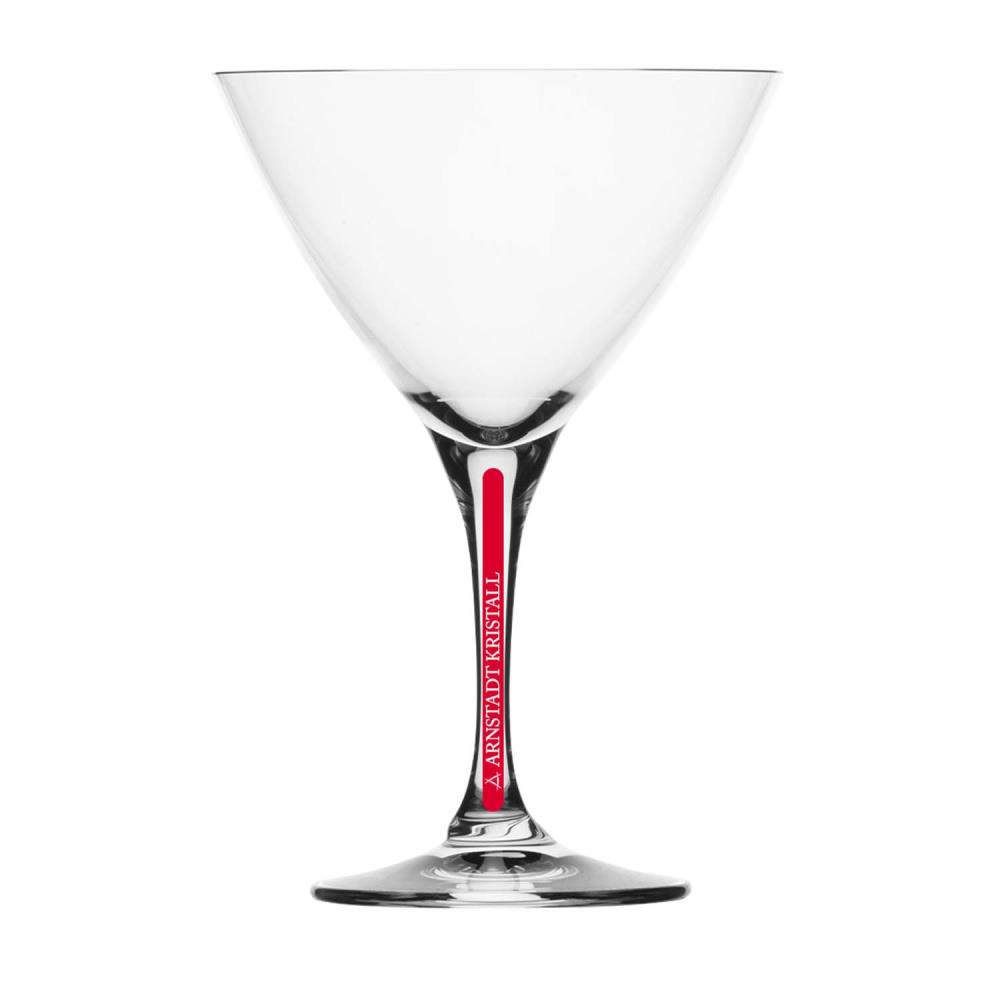

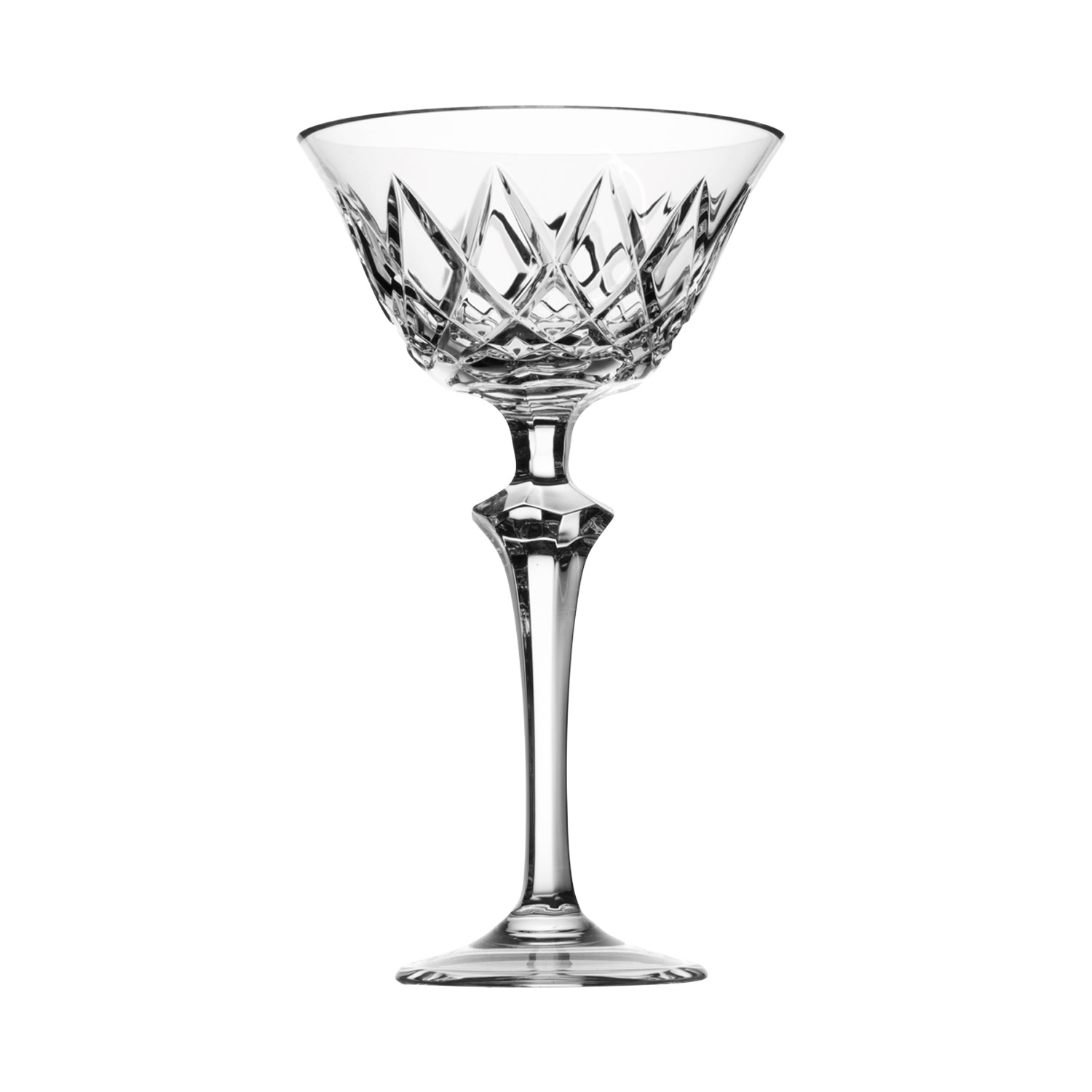
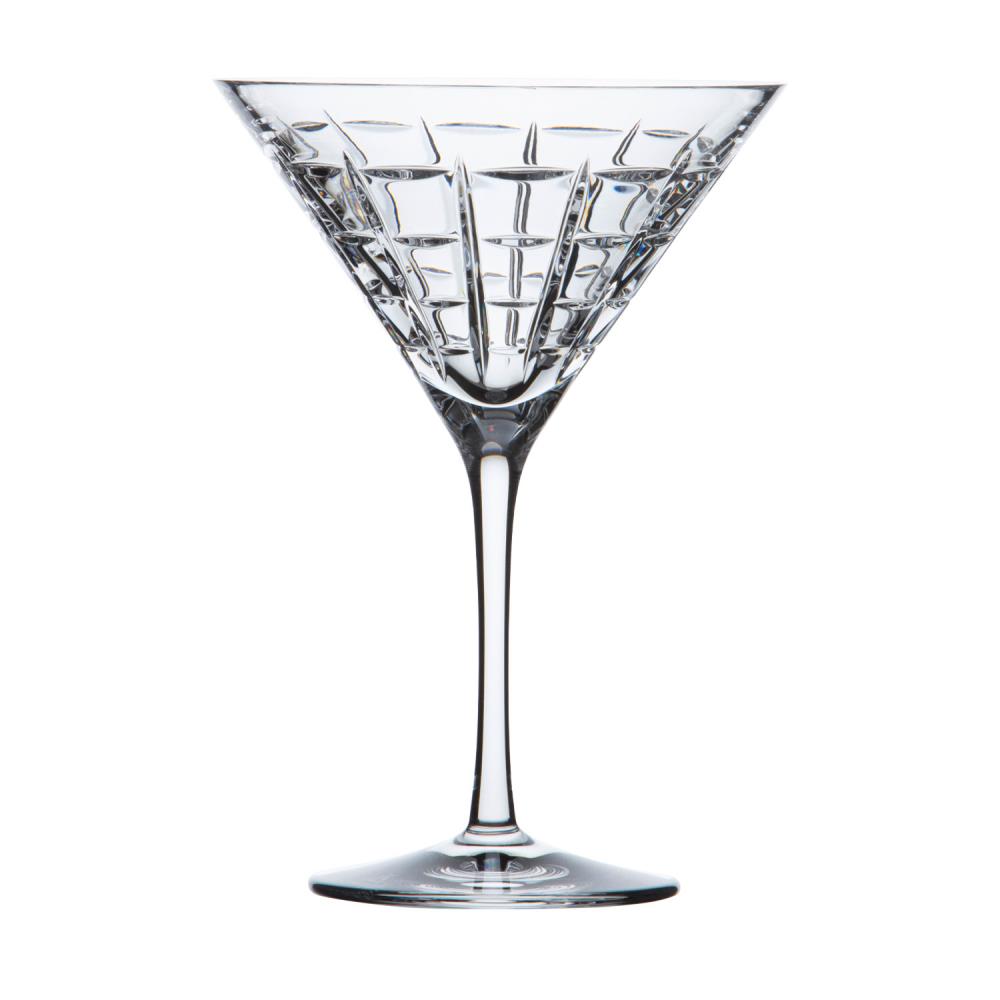
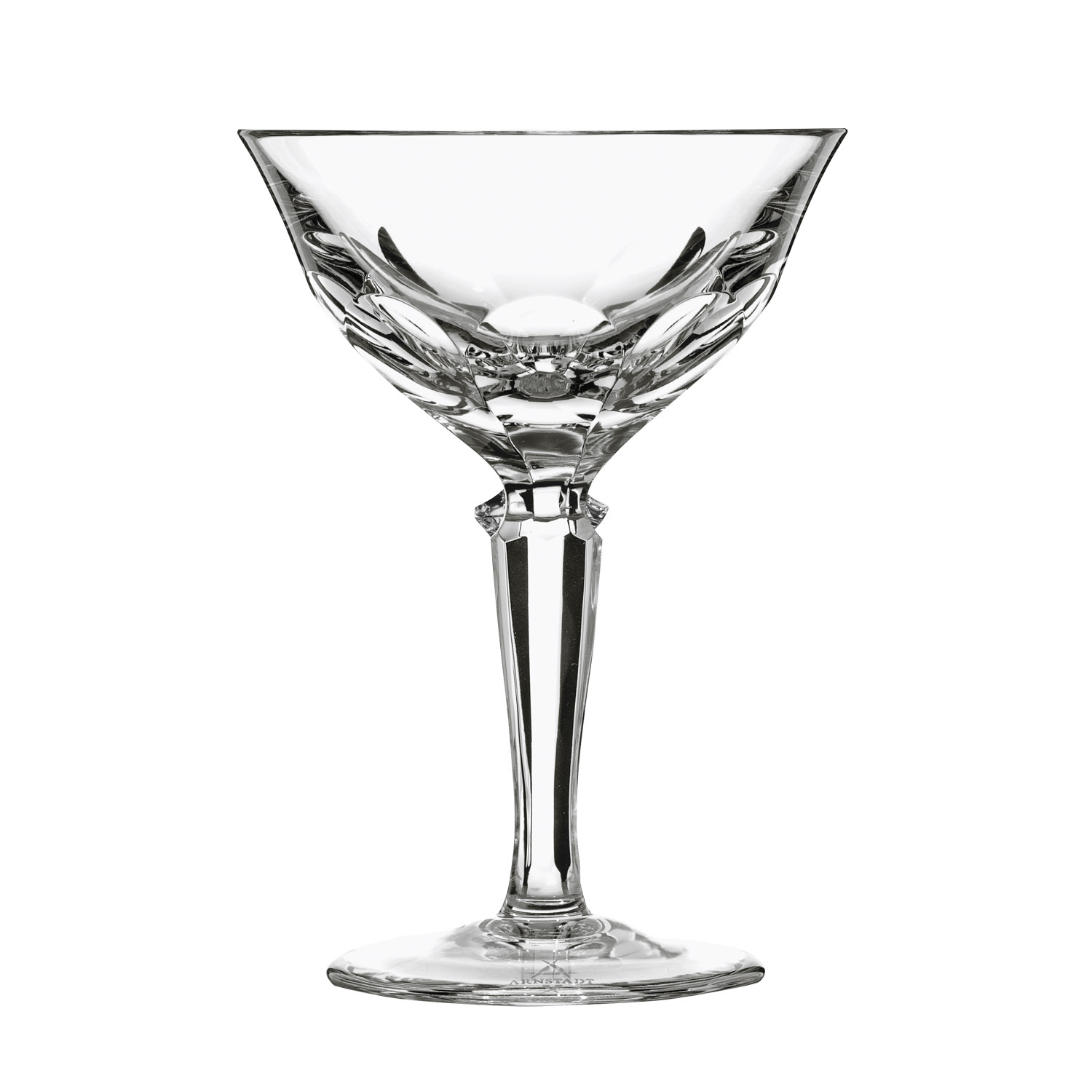
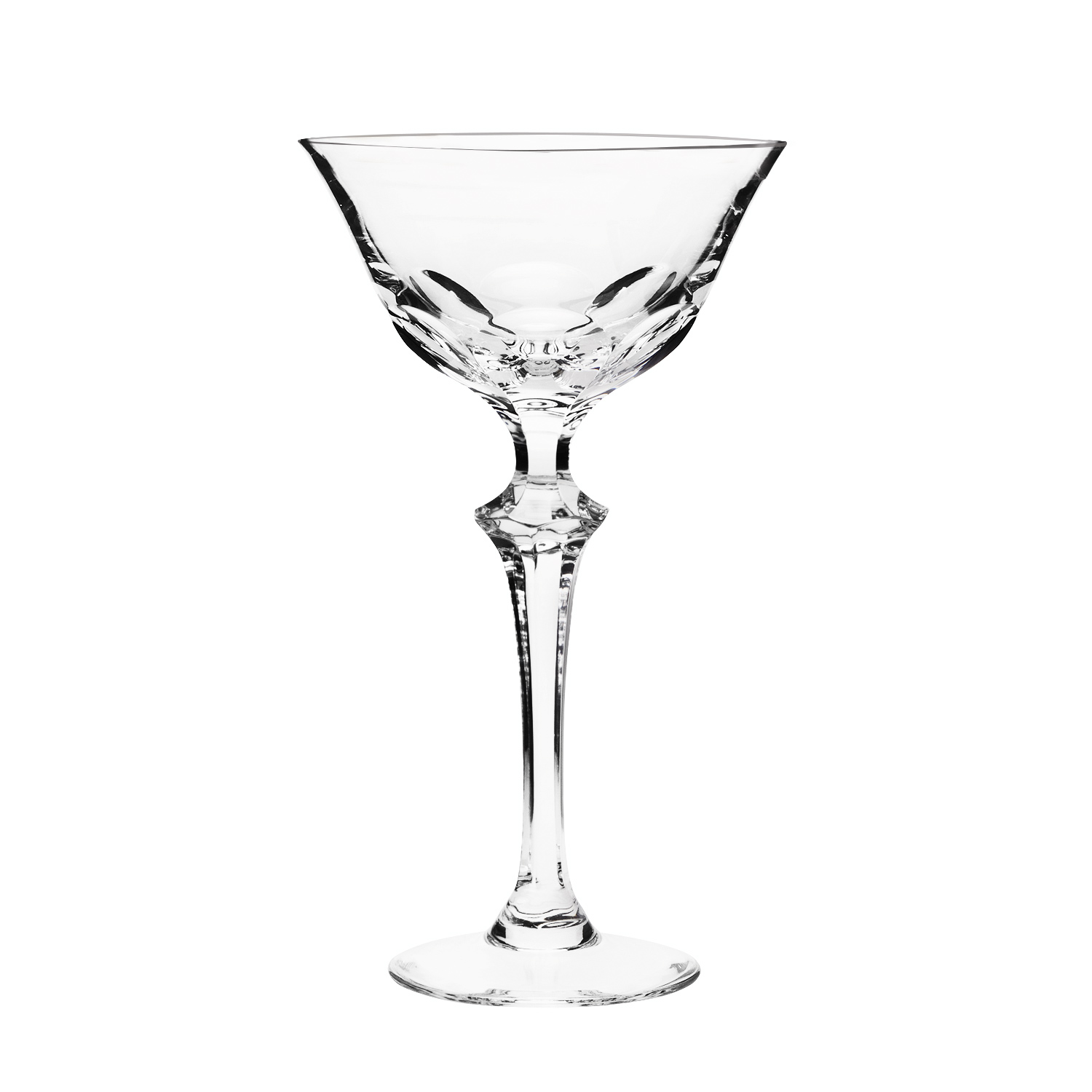
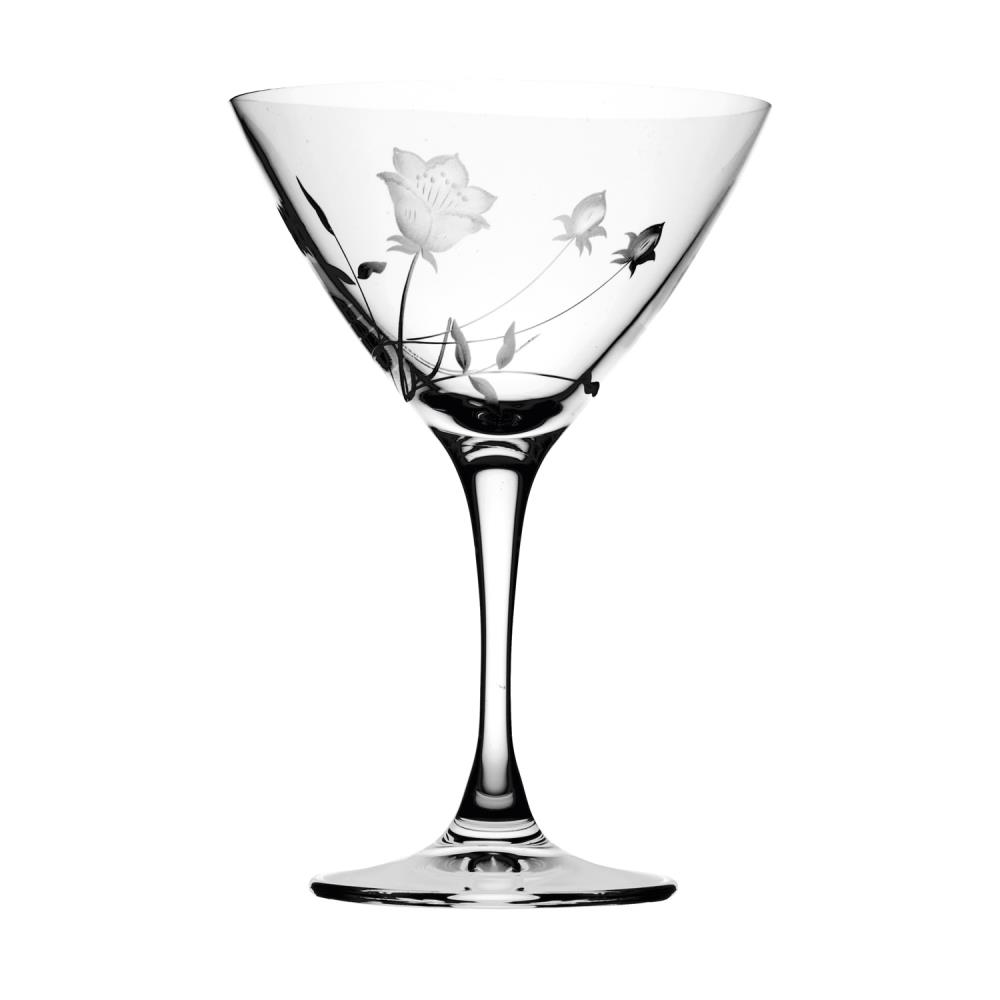
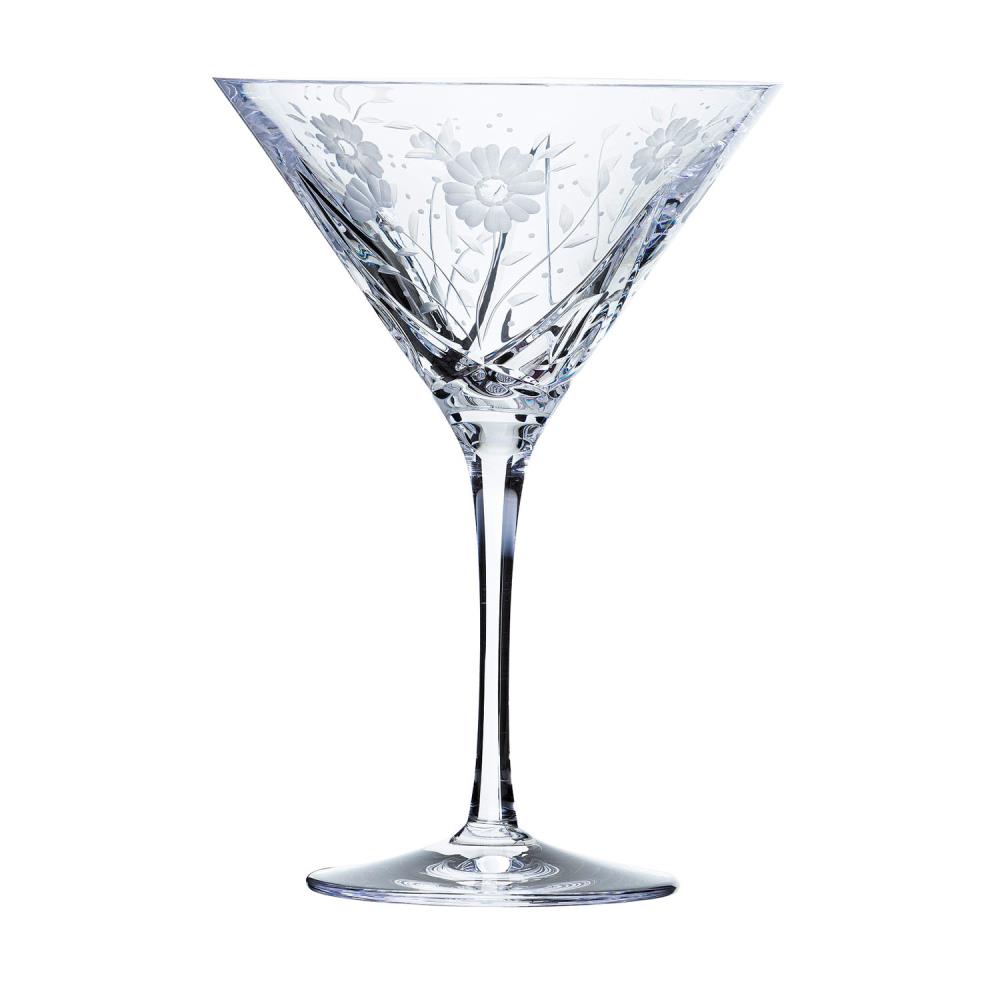
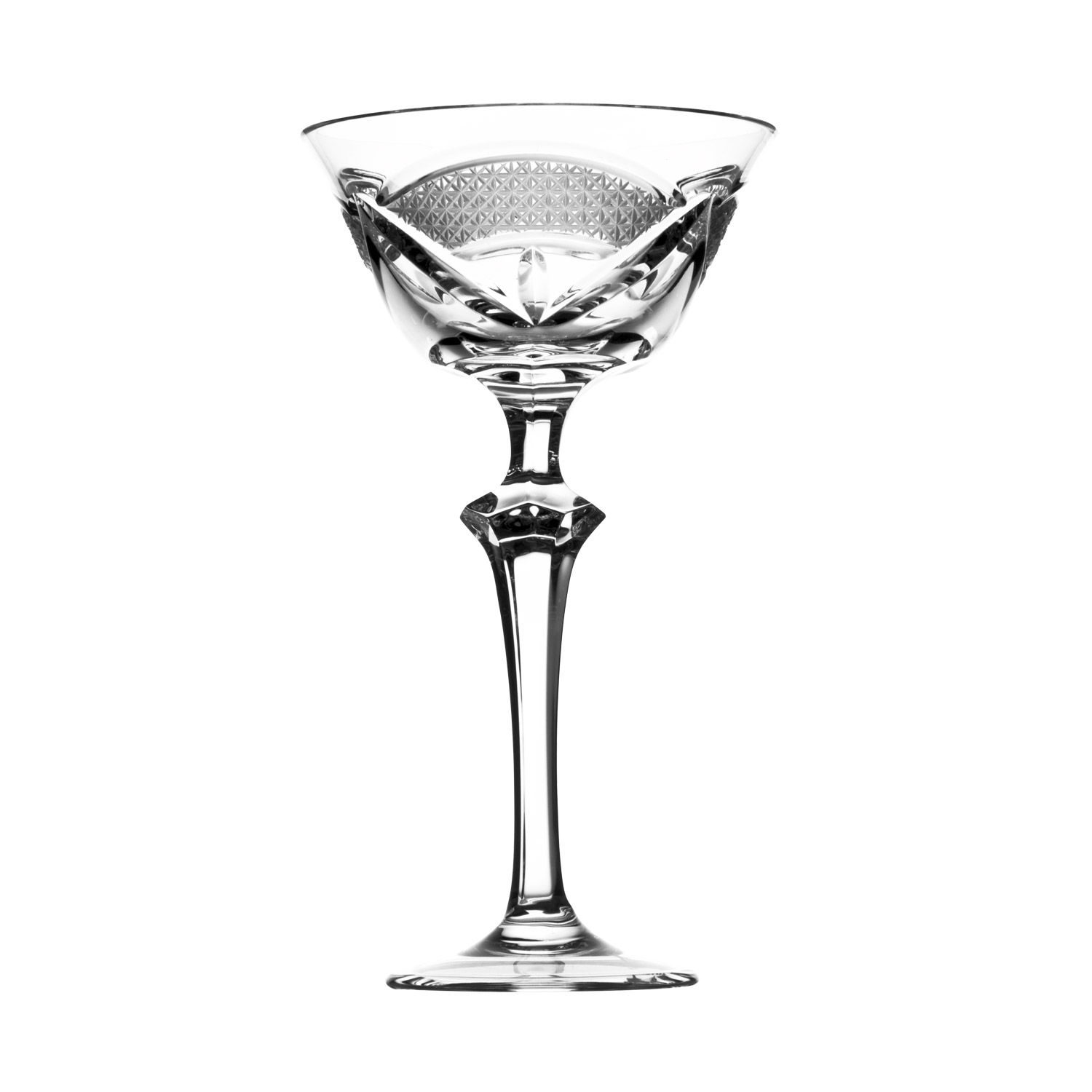

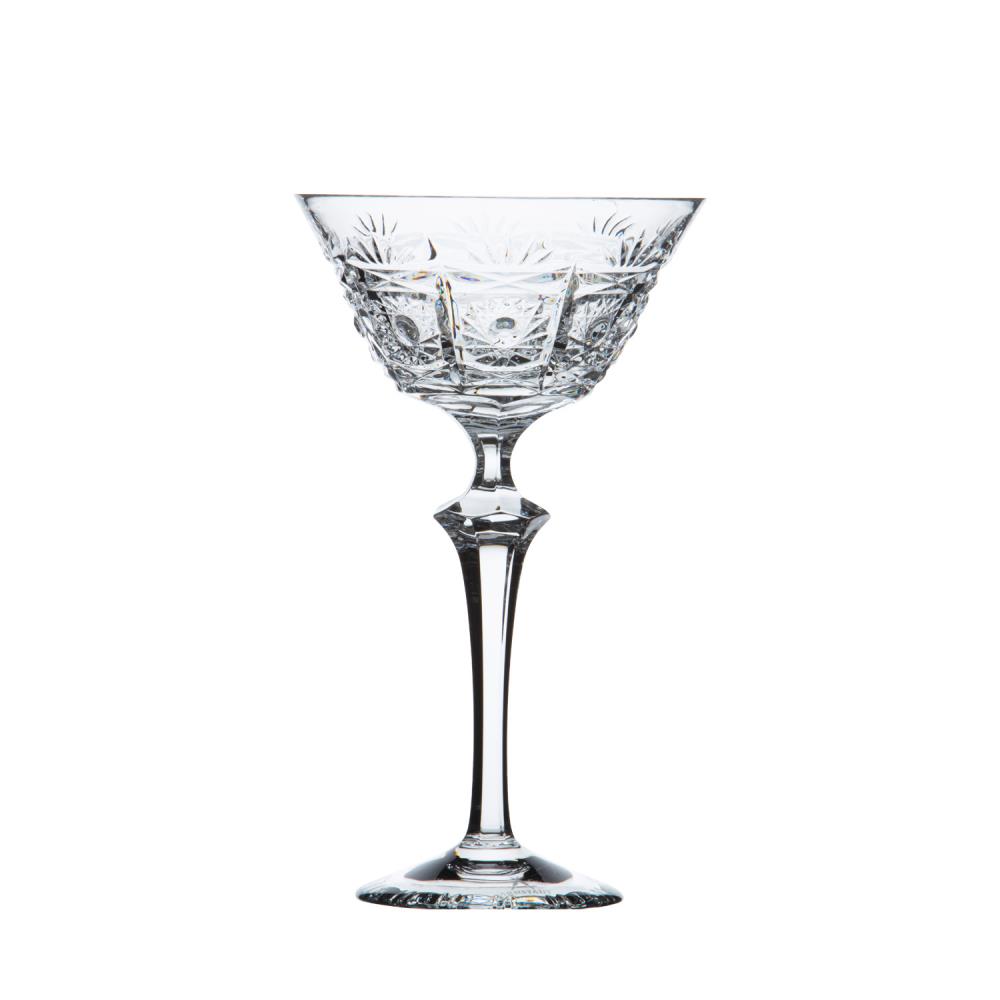


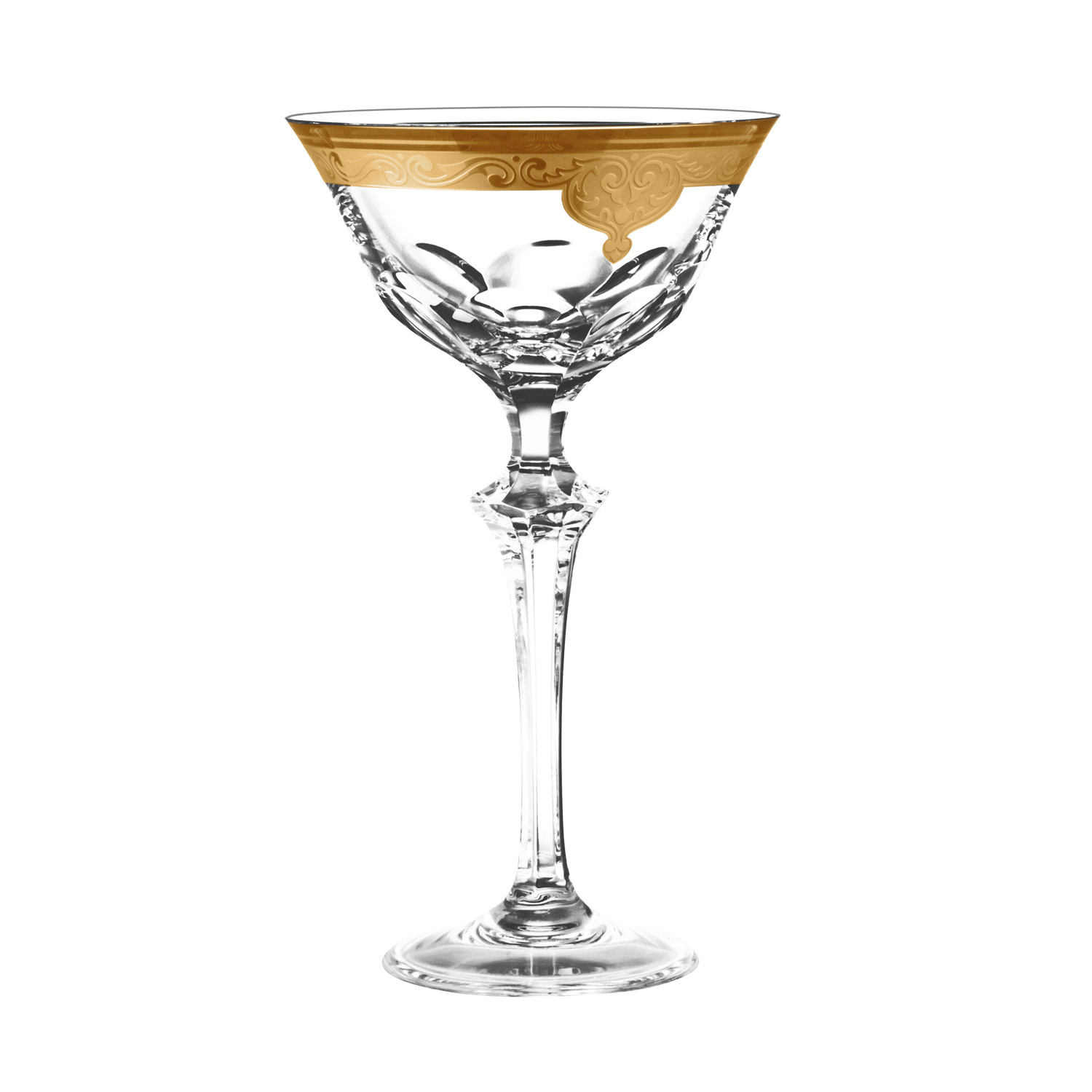

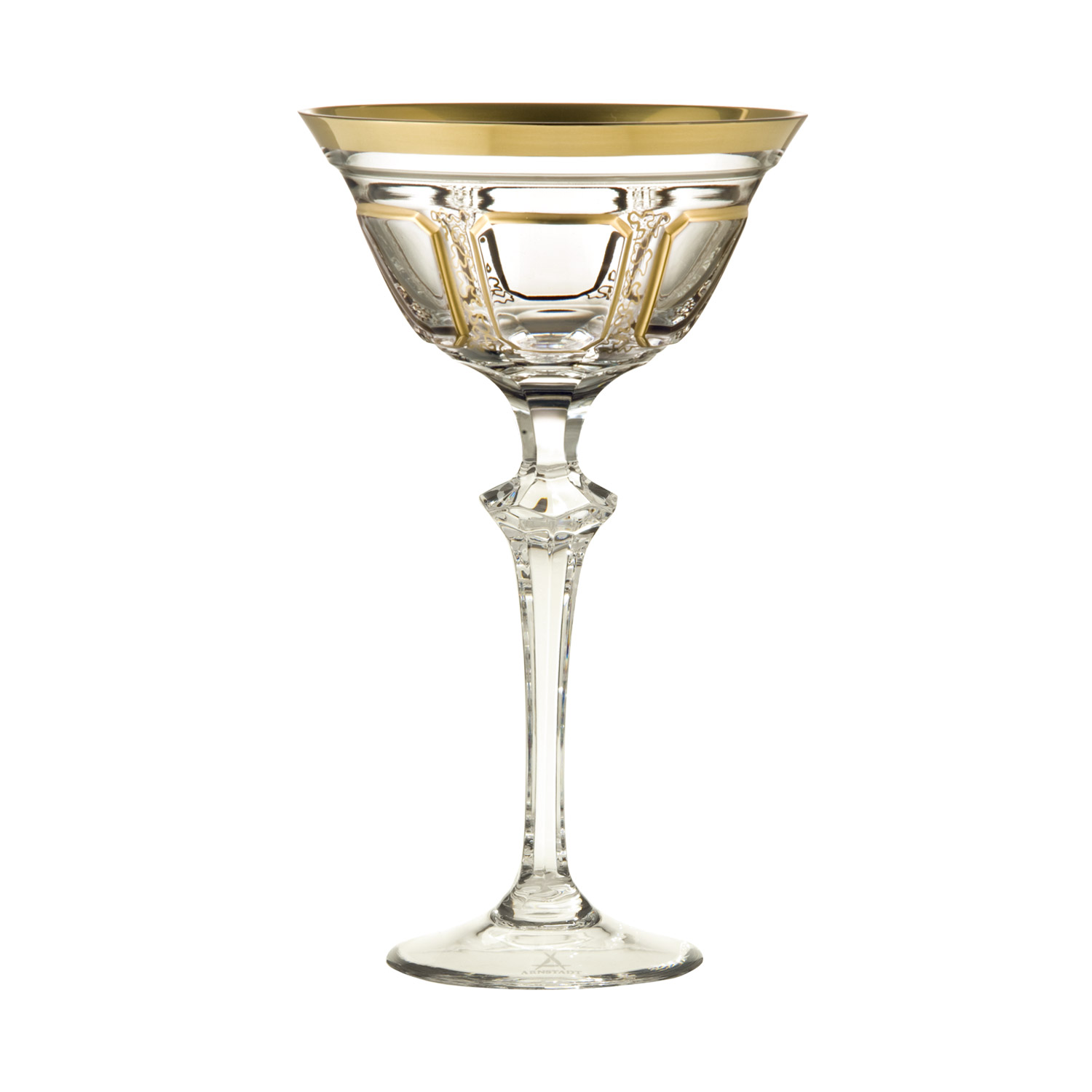
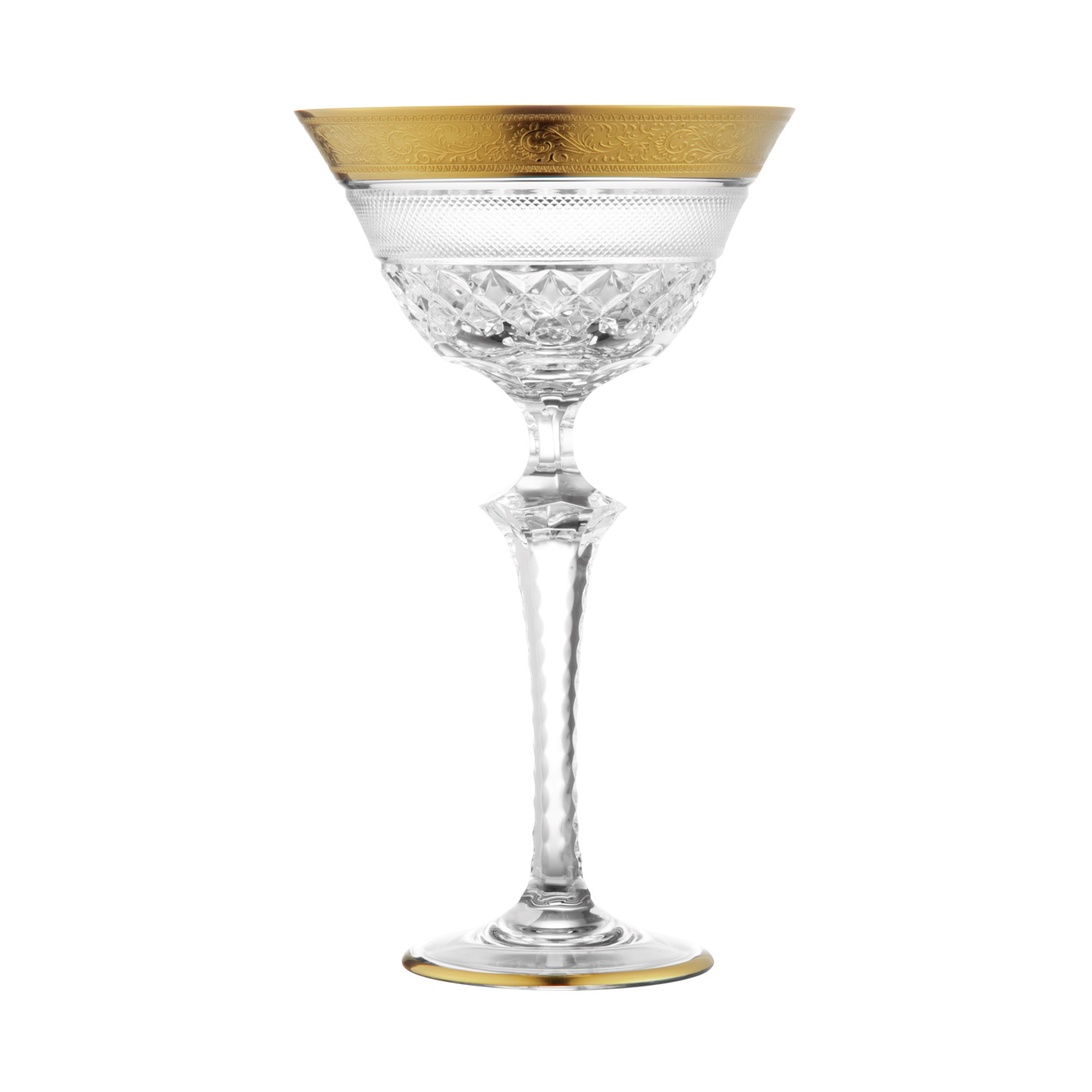
Martini Glasses and Martini Recipes – Varieties, Origin, and Enjoyment Factor
At least since James Bond, it has certainly become one of the most famous drinks of all time: the Martini! This beverage stands out not only for its characteristic taste but also – in a stylish Martini glass – for its visual appeal.
However, anyone who has delved into the history surrounding the Martini and the Martini glass quickly realizes that it involves much more than "just" a cult drink, which is usually quickly recognized at first glance even by non-experts.
Rather, the Martini can look back on a long history and can be made even more diverse with the help of exciting recipes. Because: the classic Martini in a standardized Martini glass does not exist! Instead, with the right ingredients, it can be ensured that almost everyone can find their individual favorite – whether enjoying the drink authentically at the bar or at home with friends.
The Martini and its Classic Occasions
On what occasions is the Martini glass actually taken out of the cupboard and filled with the delicious drink? Even though it is a drink that its fans love to enjoy "in between," there are indeed special occasions that are perfectly suited for reaching for a Martini glass.
The drink can ideally be enjoyed…:
- as an aperitif
- with a meal
- as a "nightcap" late in the evening
enjoyed. The right Martini glass then provides the "finishing touch."
The Martini in its "Basic Version"
As mentioned earlier, this drink is a delicacy in the context of which it is difficult to speak of "standards." And yet there is a basic form that forms the foundation for all delicious Martini recipes.
This only needs two ingredients (plus the Martini glass) to be skillfully presented. It requires Gin and Vermouth!
The ratio in which these two ingredients are then poured into the Martini glass and mixed accordingly is left to personal taste. A particularly popular mixture here is one where the amount of gin exceeds the vermouth by three times. However, it can also be worthwhile to experiment a little in search of the ideal mixing ratio.
Another must-have for many connoisseurs: ice cubes in the Martini glass!
Tipp: For those who want to ensure the drink stays pleasantly cool for longer, you can of course chill your Martini glass in advance. Now the mixture of gin and vermouth can be poured in and served.
The Martini glass without ice cubes – is that possible?
Yes, they do actually exist: Martini fans who prefer to enjoy their drink not chilled, but at room temperature. But why? What reasons could there be for forgoing ice cubes in the Martini glass?
A particularly important role in this context is the development of the aroma. Because: some connoisseurs believe that it can unfold better when unchilled.
Certainly, this is also a matter of individual taste.
The Martini, the Martini Glass, and an Interesting History
Like every drink, the famous mixture of gin and vermouth naturally has its own unique history. However, this is often told a little differently depending on who you ask or the source, so the probability is high that every story surrounding the Martini glass contains a bit of truth and a bit of fiction.
In other words: exactly how the Martini originated is not proven. Nevertheless, it is at least fun to delve into the origins of this drink and thus understand why so many people are so fascinated by it.
One story, for example, says that the drink owes its name to a gentleman named Martini di Arma di Taggia. Whether he was the first to use the Martini glass in its current form is unclear. What is certain is that the said Mr. di Taggia is said to have worked as a bartender in New York and invented the cult drink.
But was that really the case? After all, there is also evidence from the 1880s that other drinks, such as the Martinez, were enjoyed during this period (around 1910). This one is not significantly different from the mixture still often enjoyed in Martini glasses today. A flavor note that can be emphasized with the help of liqueur is considered particularly characteristic here.
A similar connection can also be drawn to the well-known Marguerite. This drink is also remarkably similar to the modern Dry Martini and was mentioned in writing in a cocktail book in the 1890s. The special thing about the Marguerite? It tastes particularly authentic (and delicious) when the Martini glass is filled not only with gin and vermouth but also with a little orange bitters. If desired, the Martini glass can also be garnished with lemon or orange.
The Dry Variant in the Martini Glass – on the further development of the classic Martini
Even though the Martini and its taste are nowadays simply unmistakable – especially for connoisseurs – there have been repeated changes over the years with regard to the mixtures.
Particularly interesting: especially during the course of the 20th century, the cult drink became increasingly drier. The "Dry" variant experienced a real upswing, making it difficult to escape this new trend surrounding the Martini glass.
This effect was easily achieved by using a larger amount of dry gin or, optionally, less vermouth during preparation.
New types of gin provide a more characteristic taste in the Martini glass
The new types of gin that flooded the market, especially from the metropolis of London, brought about new, even drier influences.
The corresponding changes were also not long in coming with regard to contemporary marketing surrounding the drink in the Martini glass. Because: due to the growing popularity of dry Martinis, a new variety emerged: Martini Extra Dry Vermouth. With it, everyone who appreciated the particularly dry finish of their favorite drink suddenly got their money's worth.
Anyone wishing to enjoy a classic Dry Martini in a Martini glass today opts for a mix of dry gin and Martini Extra Dry Vermouth. The olive is considered a visual highlight and almost indispensable.
The olive on the Martini glass – more than just an eye-catcher
The olive on the Martini glass has a greater significance than many assume. Because: of course, it is not just meant to be looked at, but can also be eaten. It goes without saying why just "any" olive shouldn't be used.
It is important that the olive is neither stuffed nor preserved in oil. This is the only way to create the characteristic taste for which the Dry Martini is so famous. At the same time, the visual impression of the Martini glass would undoubtedly suffer if an oil drop were to make its way towards the stem over time. And don't worry: for skewering the olive, a toothpick, either wooden or plastic, can be used – quite traditionally.
Depending on individual preference, it is of course also "allowed" to arrange two olives and thus stage the drink.
Creative variations of a cult drink
As with other cocktails, the famous drink in the Martini glass has also been modified repeatedly over the years. The adaptability of this drink can be grasped particularly well, especially with regard to special recipes, such as those reflected in the Dirty Martini.
But what does this actually mean in detail? To what extent is the "Dirty" variant "dirty"?
Quite simply: the Dirty Martini, of course, also consists of the classic ingredients and is typically staged with an olive. In contrast to the basic version, however, a special ingredient is used before pouring it into the Martini glass. Because: a small part of the olive brine is also used to give the Martini a characteristic taste. The amount of brine used here is, of course, again a matter of personal taste. Simply through the interaction between the brine and the olives, a great, harmonious combination is created that is coherent in itself and thus appears incredibly authentic in the Martini glass.
In general, it is quite possible to draw conclusions from the name to the composition of the respective ingredients relatively easily.
For example, anyone ordering a Smoky Martini can look forward to a smoky aroma in their Martini glass – in the truest sense of the word. This is produced by a specific type of whiskey as an "extra."
With regard to creative variations, there are few limits to the imagination. Even comparatively "adventurous" ideas with whiskey and co. can be implemented quite easily without destroying the character of the Martini. Whether classic or individual: the special taste is one of the reasons why the cult drink in the Martini glass has managed to preserve its unique magic over the years.
A particularly modern "party variant" – the Vodka Martini
Among other things, certainly also due to the spirit of experimentation in the Martini field, variants with vodka have also made it over the years onto the food and beverage menus of bars – and thus into the Martini glass.
Whether this drink can actually be called a "Martini" is often hotly debated among cocktail and beverage lovers. Because: even though one of the classic ingredients, gin, is omitted here, many Martini lovers believe they can enjoy another variation of the drink.
One thing is certain: the Vodka Martini – classically served in a Martini glass – also has a large fan base and is therefore almost second to none compared to the variants that, at first glance, bear a little more resemblance to the original.
A look into the "cocktail history books," however, shows that this is a relatively recent invention. Because: it wasn't until around the 1930s that the Vodka Martini in a Martini glass was officially mentioned. Especially with regard to the 1950s, many speak of a veritable boom. The cult drink, in the context of which the so-important gin was omitted, filled more and more Martini glasses and became a true "all-rounder" – whether as a nightcap or in between.
And who could resist the special flair of a drink that in the past was appreciated by none other than James Bond? After all, the British agent also enjoyed his Martini with vodka from a stylish Martini glass. Whether this aspect can be attributed to his personal taste, the story, or an advertising collaboration remains to be seen. What is certain is that the vodka variant gained new momentum, especially in the wake of the Bond films.
Surely even die-hard fans of the gin version must admit here that the creamy consistency of the drink in the Martini glass can be further enhanced with the help of vodka. Then you no longer necessarily have to rely on the famous olive. If you wish, you can also use chocolate as an extra to create a new taste impression.
Fruity ideas for a girls' night in
Regardless of whether vodka or gin is in the Martini glass: many female Martini fans find the characteristic taste of the drink too bitter in some situations. But: a cocktail that is so versatile naturally offers enough scope here to "tweak" it a little.
Particularly popular are fruity mixtures that are based not only on the classic ingredients but also on various fruit juices, such as pineapple juice or strawberry juice.
Based on them, you can change not only the color of the drink but also its taste. Depending on the dosage, wonderful flavor nuances are created in the Martini glass, which combine superbly with summer buffets or a barbecue evening.
The Martini Glass as an Important Factor
The classic Martini glass is a comparatively simple but extremely elegant variant of the cocktail glass. The current form has been used since the 1930s to serve the cult drink.
The capacity of this special glass is usually between 150 ml and 200 ml.
To further refine and personalize a Martini glass, many different decoration options can be used. Particularly popular are…:
- the olive (classically green)
- orange slices
- lemon slices
- other treats that can be enjoyed with the cocktail, such as chocolate in various forms.
Which Martini is the "best"?
And which Martini should ideally be poured into the (perhaps) chilled Martini glass? The classic version? The Dry variant? The modern Vodka Martini à la James Bond? Maybe even a completely original creation?
Simply because of the numerous possibilities, it is difficult to decide which Martini recipe is supposed to be the best.
Here it is worthwhile to simply test the different variants in an elegant Martini glass and remain flexible regarding the specified mixing ratios. Because: a change from a mixing ratio of 1:2 to 1:3 in the Martini glass can create a completely new taste experience. Nevertheless, this aspect is certainly important to be able to understand the fascination of the Martini even better.